
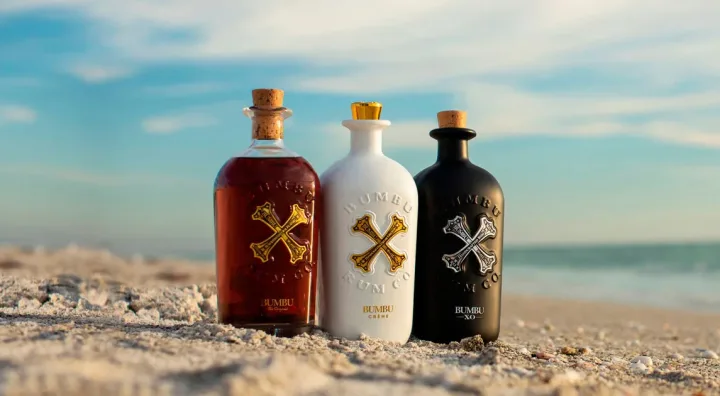
Bumbu has become well known in the premium spirits segment, with a distinctive image and a sweet, spiced profile. However, treating the entire Bumbu range as rum can be misleading: the legal category depends on the specific product and the regulations in each market.
One brand, several categories
The range includes different products, such as Bumbu The Original, Bumbu XO and Bumbu Cream. They should not be treated as interchangeable simply because they share a brand name.
In the United States, the labelling documentation cited by the source classifies The Original as a specialty spirit, while XO is identified as rum. The cream, meanwhile, belongs to a different category.
The label offers a useful clue: The Original is presented as rum with natural flavours, rather than simply as rum. This distinction matters because the legal names used for alcoholic beverages are subject to specific requirements.
In general, to be sold as rum in the United States, a spirit must be made from sugar cane materials, retain the characteristics associated with the category, and meet certain production and bottling requirements.
Sugar and EU regulations: Don Papa rum among the first affected
The European Union also has a legal definition of rum, including limits on certain added components.
According to an analysis by Systembolaget (Sweden’s state-run alcohol retail monopoly), Bumbu The Original has a sugar content above the limit permitted for that designation. For this reason, it is listed there as a flavoured spirit.
Classification can vary depending on the formula, product and market. It is best to check the local label and not automatically apply one product’s status to the entire brand.
This distinction is not a judgement on whether a drink is enjoyable. A flavoured product can appeal to its own audience and work well in mixed drinks or served neat, depending on personal preference. The point is that the category communicates information about its composition and production. Knowing the difference between rum and a rum-based, flavoured spirit makes it easier to compare products with confidence.
In May 2021, Regulation (EU) 2019/787 came into force in the European Union, setting a maximum sugar limit of 20 grams per litre for a beverage to be legally labelled “Rum” in the EU.
The first product affected in Europe was the Filipino rum Don Papa, which had traditionally exceeded this limit by a considerable margin. This led the brand to reformulate its original product, “Don Papa 7 Year Old”, reducing its sugar concentration to below 20 g/L to comply with the regulation. The brand also created Don Papa Baroko, a version of the rum that retains high levels of additives and sugar but, under EU law, is labelled not as rum but as a “rum-based spirit”.
What a sales claim means
The debate becomes more pronounced when a brand is presented as the best-selling in a category.
If the figures include products that are not legally classified as rum, the headline may give a different impression from sales figures for rum itself. When assessing such claims, it is reasonable to ask which products were included, what period was measured and how the report defines the “super-premium” segment.
The discussion also reflects a broader challenge for rum. Unlike categories tied to a single region or regulatory tradition, rum encompasses styles from many countries and a wide range of production methods. Reducing it to a drink that is always sweet or intended only for cocktails overlooks much of its diversity. Clear communication helps consumers better understand both traditional rum and flavoured products based on it.
How to choose with confidence
When you buy Bumbu or any other sugar cane spirit, check the legal designation, the ingredient list if available, and the producer’s description.
If you are looking for a rum to sip or use in a particular recipe, checking that the bottle is sold as rum in your market is a good place to start.
If you prefer a sweeter, spicier profile, a flavoured spirit may suit you just as well. What matters is knowing what is in your glass.