

How to Deliver Great Wine Service in Your Restaurant: 12 Tips to Make the Guest Experience Far More Enjoyable
Offering an elegant, polished wine service to your guests is essential to the success of any bar or restaurant. Training waitstaff in the proper way to serve wine matters, as it conveys attention to detail and genuine care for guests’ needs.
Our advice on how to choose, present and serve wine in your restaurant will not only benefit your business and help increase revenue, but it can also help your servers earn better tips.
Tips for Great Wine Service #1 Help Guests Choose a Wine
Whether your diners are aspiring sommeliers or box-wine drinkers, offering friendly advice and guidance while they choose a wine is essential to successful service.
Your staff should know and understand the wine list, and be able to easily identify and describe different wines that guests may enjoy.
Tips for Great Wine Service #2 Prepare an Excellent Wine List
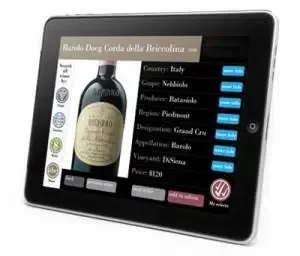
- Proper wine service starts with a well-balanced and varied wine list. It is important for your staff to have solid knowledge of wine, especially the bottles featured on your restaurant’s list. This enables them to help guests choose the right wine for any occasion, whether that means finding the perfect white to pair with fresh seafood or selecting a red that feels especially appropriate for an anniversary celebration.
- Keep these important details in mind as you build your restaurant’s wine list:
- Arrange your wine list in a logical way, using geography, grape variety, body, food pairings, or another clear classification. Whatever categorisation method you choose, keep it clean, visually appealing and easy to read.
- Make sure you offer bottles across a wide range of prices. Highlight your most expensive and rarest wines, but also include high-quality, more accessible options within the selection. Ensure the wine list is never organised by price, as this can discourage guests from exploring the full range.
- Clearly specify the food pairings, as they are one of the most important factors in determining which wines guests choose.
- Keep different styles of whites, reds and sparkling wines on hand to satisfy every guest’s taste and provide variety.
- Assess your guests’ tastes and wine knowledge.
- Waiters should begin by identifying what brought the guests to the restaurant. For example, they may discover that the table is celebrating a special occasion. In that case, the service team can start their recommendations at a higher price point. With new guests, it may be a good idea for your employees to discuss a broader range of options to help them become familiar with what your business has to offer.
- Similarly, your staff should try to gauge each guest’s wine knowledge before making recommendations. If they realise the guest is knowledgeable about wine, they can speak more freely about the bottles, as fewer explanations will be needed. By contrast, waiters should be ready to cover the basics with someone who knows little or nothing about wine.
- Finally, the waiter should find out what kind of wine the guests prefer or have enjoyed in the past. Knowing the style of wine they like gives you a more complete starting point. Being aware that diners enjoy a sweeter red wine, for example, can narrow the focus considerably and help you optimise your service.
Tips for good wine service #3: Opening a bottle of wine
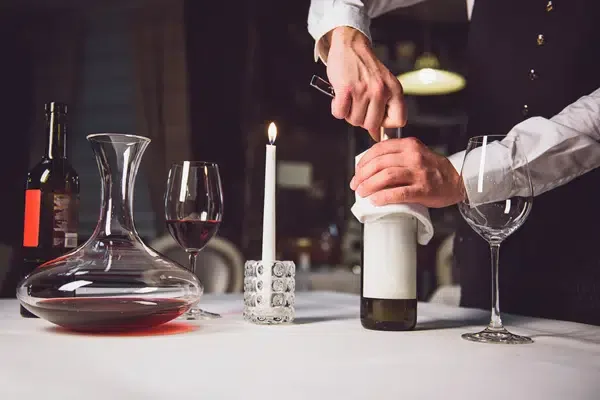
Opening a bottle of wine is one of the most important aspects of proper wine service. If your employees do not know how to open a bottle of wine quickly and quietly, it will reflect poorly on your restaurant.
Tools needed to open a bottle of wine:
- Before taking the bottle to the table, waiters should make sure they have the following items to hand:
- Corkscrew (electric, lever, twist or waiter’s style)
- Foil cutter (if they are not using the blade on the corkscrew)
- Napkin
- Coaster (optional)
- One distinctive touch is to offer to serve the wine in a decanter at no extra charge. This has a double benefit: on the one hand, decanting can improve the wine’s characteristics, and on the other, the guest will feel better looked after.
- Once all of this is ready, your waiter is prepared to open and serve the diners’ bottle of wine.
Tips for good wine service #4 How to decant wine
Decanting is the process of pouring a bottle of wine into a decorative decanter before serving, with the aim of separating out any sediment that may have formed. It also helps aerate the wine, which can enhance its flavour and aroma.
This process is usually reserved for red wines that have been cellared for five to ten years, although some customers like all kinds of wines to be decanted, as aeration can improve the wine.
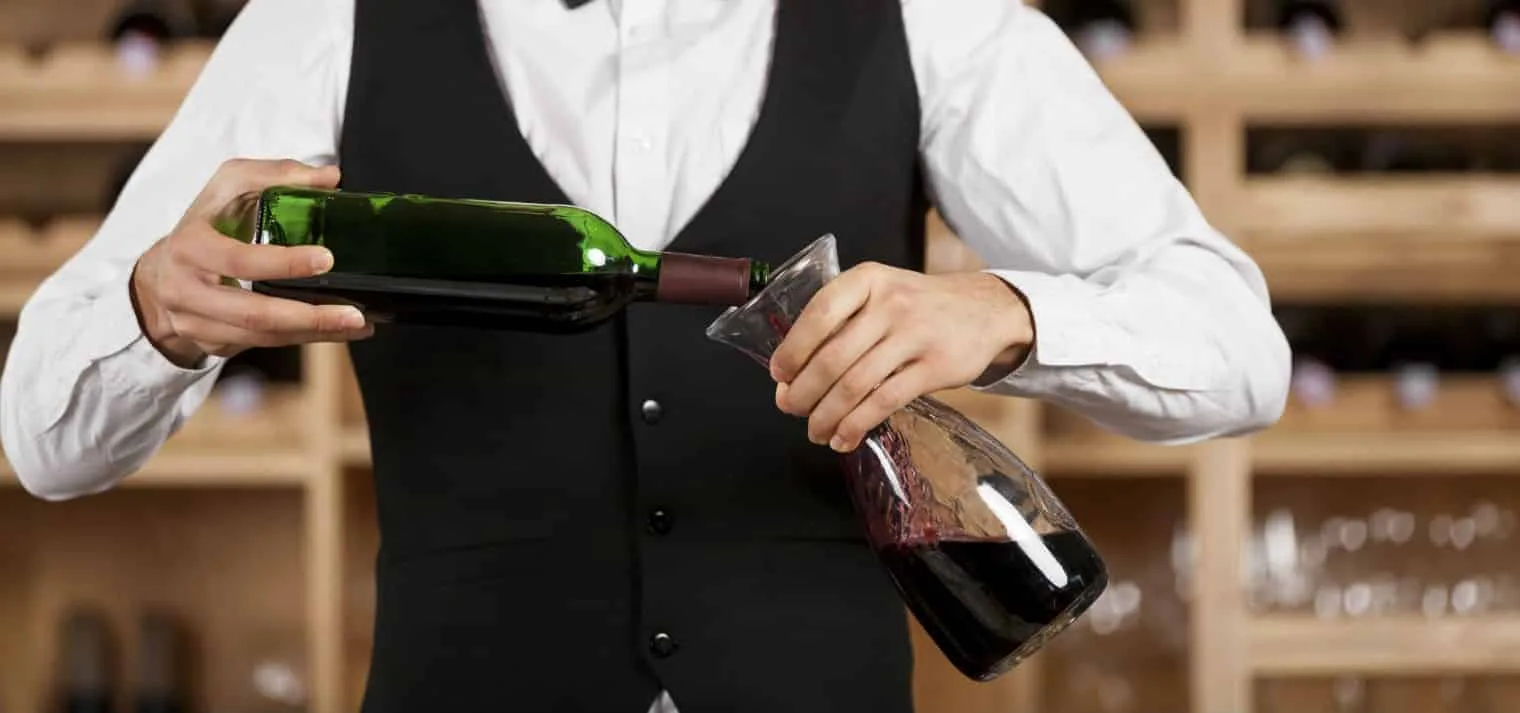
For aged wines or Gran Reserva wines, as your waiter decants the wine, they should use a light or candle to help them see the sediment in the bottle so they do not accidentally pour it out with the wine.
By pouring slowly and carefully, and keeping the light beneath the neck of the bottle, staff should be able to judge when to stop as the sediment reaches the top of the neck. Remind your waiters to pour slowly and steadily until all that remains in the bottle is the unwanted sediment, then discard the remaining residue.
Tips for good wine service #5 How to open wine at the table?
Let’s say a group of four wants to share a bottle of wine. Unlike decanting wine, where the bottle is opened and poured away from the table, your waiter needs to be able to open and serve the wine professionally in front of the guests.
To open a bottle of wine, staff should follow these steps:
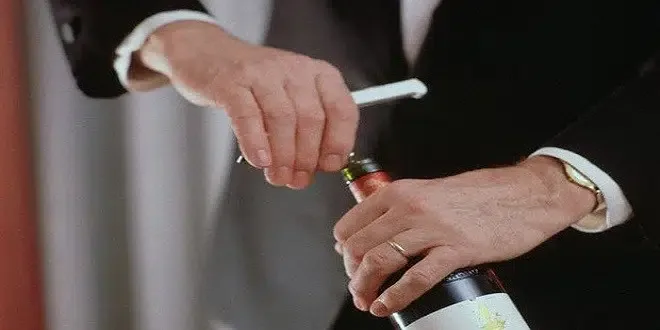
- Cut the foil about half an inch below the lip of the bottle using a foil cutter or the small knife on the wine opener. This ensures the wine does not touch the foil and also helps prevent drips.
- Place the corkscrew directly in the centre of the cork and screw it straight in. Once the cork is three quarters of the way out of the bottle, rest the lever on the neck of the bottle and pull slowly, finishing by hand to avoid the classic popping sound. One way to do this is to gently move the cork back and forth until it is fully out of the bottle.
- After removing the cork, wipe it and, if necessary, the top of the bottle as well. This helps remove cork debris and dust from storage.
- When opening and serving a white wine, waiters should place part of a napkin between the bottle and their hand to prevent body heat from affecting its temperature.
Tips for good wine service #6 How to serve wine?
Following the proper protocol when serving wine to guests in your restaurant is essential to improving their overall dining experience, and it can also help your establishment sell more wine. Your staff will also appear more professional, which can help bring customers back and strengthen your reputation as a business that really knows its wines.
Tips for good wine service #7 Things to do before serving wine
Your staff should begin by presenting the wine to the person who ordered it, regardless of who is paying the bill.
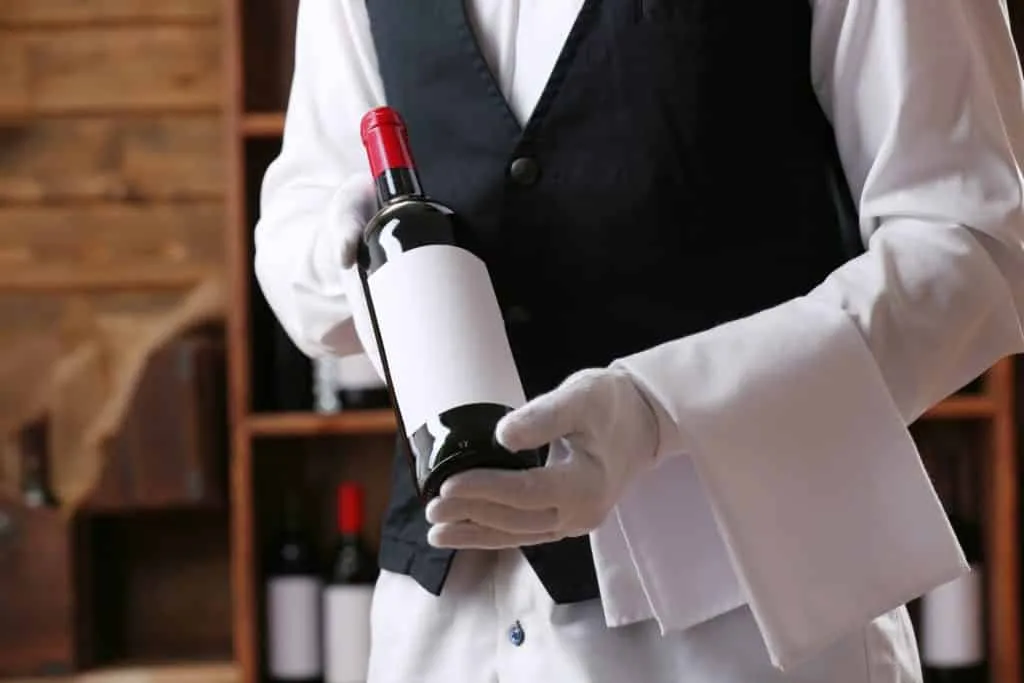
They should frame the label with their hands and announce the vineyard, grape variety, location and vintage to the guests. If the wine is more straightforward, they should at least mention where it comes from and add a relevant detail where appropriate, such as a single-estate wine, small production, vintage rating, and so on.
Make sure your waitstaff do not open the bottle until they have confirmed that the wine is exactly what the customer wants, and that they open it in front of the guest. It is also essential that every diner has a glass ready to enjoy the wine.
It creates a poor impression if a member of staff has to return to the kitchen for another glass after wine has already been poured for the rest of the table.
Tips for good wine service #8: How to pour a tasting sip for your guests
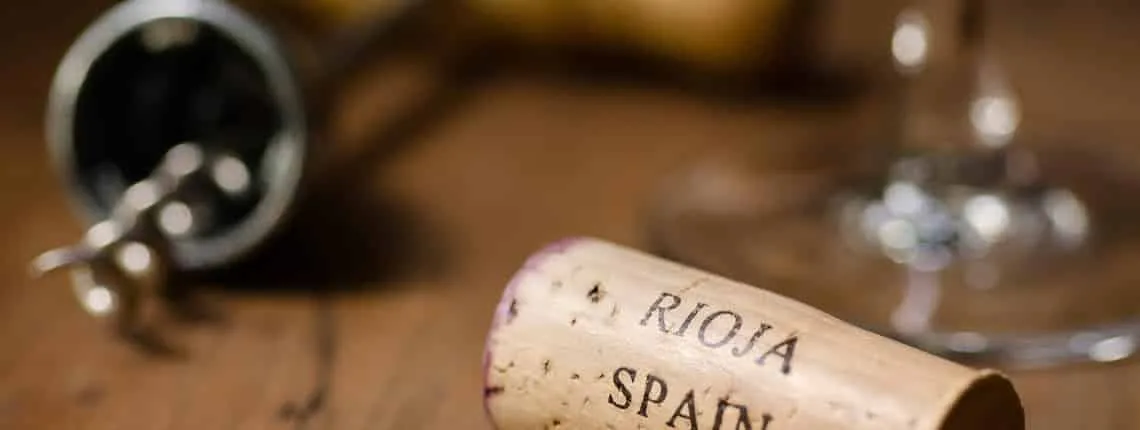
At this point, it is customary to present the cork to the customer who ordered the bottle so they can smell or inspect it, allowing them to check the condition of the wine.
Some customers touch the cork to make sure it is not dry, while others will smell it to pick up its distinctive aroma or examine the colour of the cork to check that the bottle has been stored correctly on its side. If they decline, staff should simply place the cork on a small plate to the diner’s right.
When serving wine, waiters should wrap the bottle in a clean linen napkin to protect it from the heat of their hands. This is not essential when serving red wines that are not chilled, but your customers will probably appreciate the extra care taken to preserve the ideal serving conditions.
Waiter’s gloves can serve the same purpose while also conveying a sense of professionalism.
With the bottle wrapped for temperature control, it is time to make the first pour for the person who will taste and approve the wine. Make sure your staff know to pour only around half an inch into the glass, just enough for the customer to decide whether it is acceptable.
Tips for good wine service #9: Wine service styles
Your waitstaff should always follow a clockwise service pattern and serve women first, even if this means going around the table twice.
They should finish by serving the customer who ordered the wine, regardless of gender. They should also always pour from the customer’s right-hand side.
Your waiter should judge the appropriate amount of wine to pour for each guest according to the number of people at the table, but should never pour more than half a glass. A standard 750 ml bottle of wine will provide approximately five pours.
Tips for good wine service #10: How to finish pouring a glass of wine
Staff should finish each pour with a slight twist of the wrist and wipe the lip of the bottle to prevent drips. Once they have finished serving the guests, they should place the bottle to the host’s right with the label facing outwards, and ask permission to remove the cork from the table.
If guests are enjoying white wine, the waiter should ask whether they would like the bottle to remain on the table. If so, make sure staff provide a wine bucket or cooler.
Because white wine is generally served chilled, customers may also choose to have the waiter return it to the underbar refrigerator until they are ready for a second glass.
Tips for good wine service #11: Different winemaking styles
Some wines need to be poured slightly differently. You may also be wondering: what is a standard serving of wine? Here are a few basic guidelines for waiters to keep in mind:
- Sparkling wine: Pour with a gentle trickle to avoid over-stimulating the bubbles. Add a small amount to the flute, let the bubbles settle, then finish pouring until the glass is three-quarters full.
- Red wine: Slowly pour the standard serving (4 oz.) into the centre of the glass until it is half full.
- White wine: Slowly pour the standard serving (3 oz.) into the centre of the glass until it is about one-third full.
Regardless of the type of wine, servers should always hold the bottle with both hands and leave the glass on the table while pouring. They should also make sure there are 6" to 10" between the base of the wine glass and the lip of the bottle as they pour, as this allows the wine to develop as it falls into the glass.
Tips for good wine service #12: How should you serve a single glass of wine?
What if a customer only wants a single glass of wine with dinner? This guest is not interested in buying the whole bottle, so it is perfectly acceptable to put the bottle away again after serving. The server should remember that it is always good etiquette to show the bottle to guests, even if they only order one glass. This allows them to check that they are drinking what they ordered.
 Making sure your servers know how to serve wine in your bar or restaurant is essential for creating a warm, welcoming atmosphere for all your customers, whether or not they are enjoying a fine wine.
Many guests rely on their waiter or waitress to suggest, present and serve the perfect wine for their tastes, so it is essential for servers to know the relevant details of each wine and how to serve it properly.
Wine presentation etiquette is vital when serving wine, and an exceptional experience can encourage repeat business and lead to better tips.