

We present some historical wine data related to Cuba, a walk from the Colony to the present day.
He came It was first introduced into Cuba in 1492 with the name Bull Ink, which was made in Zamora, Spain; and true national production began in the 18th century.
Yamir Pelegrino Rodríguez affirms in his work My passion Gourmet that the wine tradition began on the Island when the conquerors brought this type of drink from wine-growing countries with a long tradition of consumption on their ships. They brought large quantities of wine, essential on long journeys. The sailors who accompanied the discoverer of America mitigated stress by drinking sherry wine, as it was very resistant to oxidation.
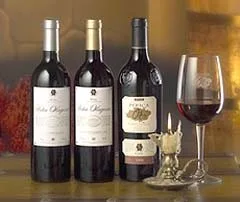 The wine was first introduced to Cuba in 1492 under the name Tinta de Toro, which was made in Zamora, Spain.
The Spaniards who settled in Cuba after the arrival of Columbus They did not have it among their daily practices, but their countrymen who lived in California and Spain did not think the same way. Pirates and privateers who crossed the Caribbean Sea in search of places to plunder preferred this drink over rum. Later this situation would change, as wine began to become more expensive and was sometimes very difficult to obtain.
Many documents that illustrate the history of Cuba in the 15th century speak of the custom of the captains of distribute wine to your crew before any battle, as it encouraged them to fight with greater courage. Although the Greater Antilles was not the first country to have this precious drink in Latin America, it is considered the pioneer in its orderly marketing.
Discovery of America opens new possibilities
 Currently, Cuba is promoting the production of artisanal wines.
With the discovery of America New possibilities for vine cultivation open up. In the year 1525, Hernán Cortés, being Governor of Mexico, ordered the planting of vineyards in the colonized lands - there is a high probability that he did so in Bayamo, in the eastern part of Cuba, where he was previously mayor, since he came from a family of vintners and his father was a barrel builder for the wines he produced, but there is no evidence of this first “amateur winemaker”.
The success of the plantations was such that the cultivation to the regions of the Viceroyalty of Peru, soon the king of Spain banned new plantations in Mexico in the year 1595, due to the fears that existed in the Royal House that the new territories would be self-sufficient in the product and would no longer require Spanish wines.
This royal edict remained in force for almost a century and a half, only plants could be planted new vines under special licenses granted by the kingdom of Spain, Jesuit monks were exempt from the granting of such licenses; That is why there were small vineyards in their convents or monasteries since 1697, in order to be able to have came to celebrate the Eucharist. The variety brought from Spanish vineyards is currently called “mission grape.”
These first plantations were reproduced in the various missions, giving rise to the first wines produced on the Island of Cuba. “Caleta grape wine” probably originated for the first time in our area, linked to the convent that existed very close to the Columbus pier.
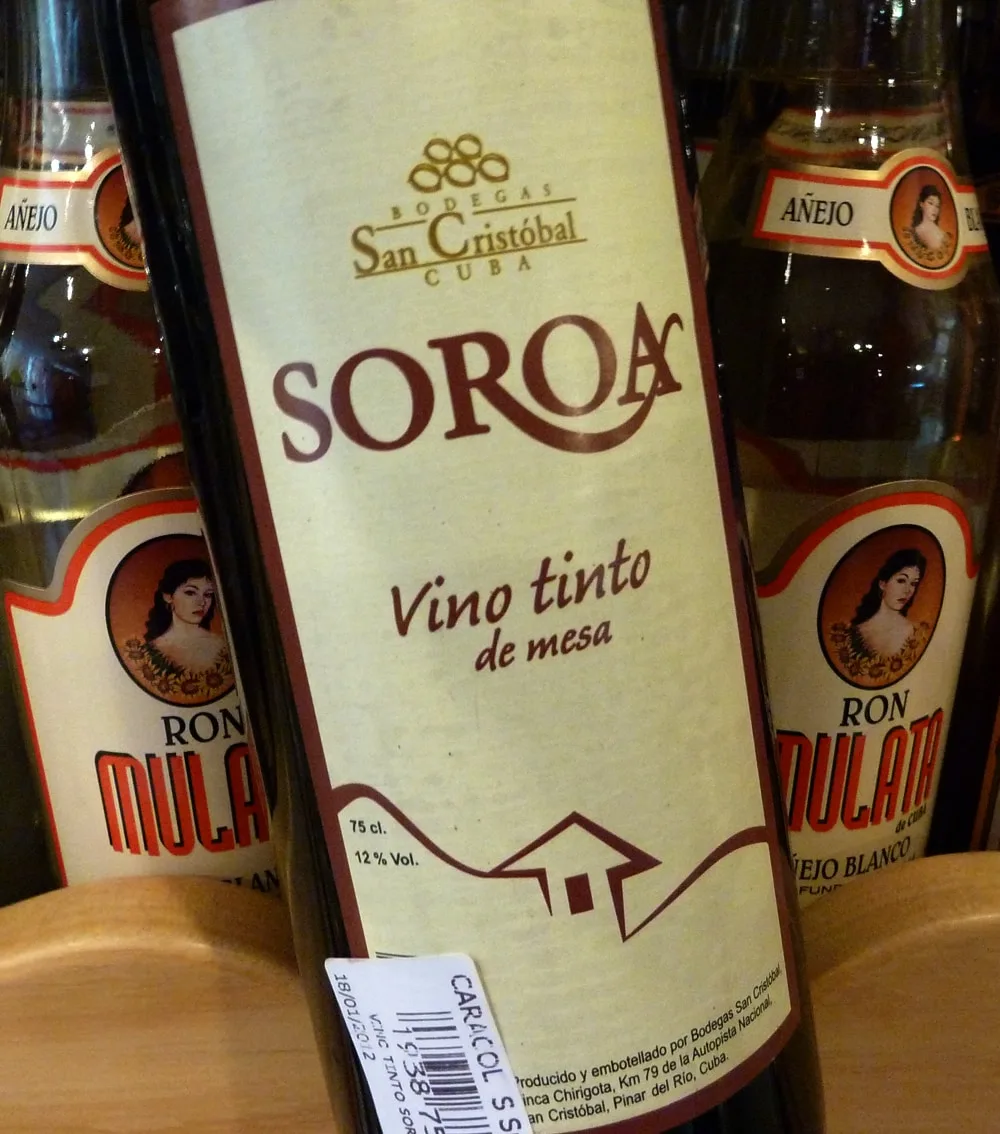 The Soroa seal belongs to the Cuba Ron S.A. corporation. and are generally produced in Bodegas San Cristóbal and Artemisa.
Today there are two companies on the Island that produce and market very good wines: San Cristobal Wineries, which offers the Castillo del Morro, San Cristóbal, Soroa and Cortés brands, among others; and Bodegas del Caribe, created a few years ago with the participation of Spanish capital, and which markets the Castillo de Wajay brand, considered by foreign winemakers to be a fairly good drink.
Currently, the country is promoting the production of artisanal wines, more details in this video: