
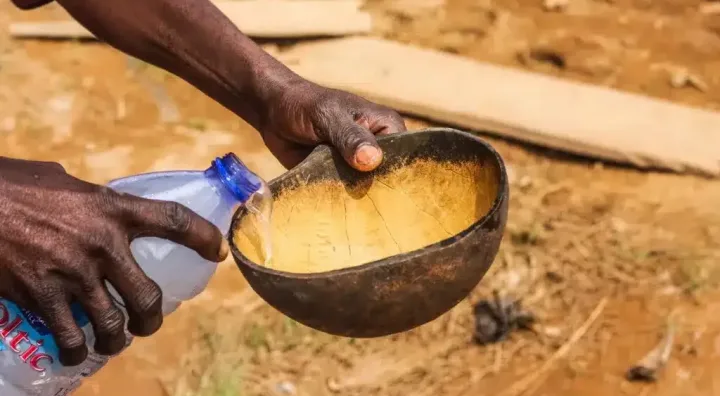
The longer Matango is allowed to ferment, the higher the alcohol content it will have, although it is usually sweet and somewhat watery.
On the coast of the Gulf of Guinea, one of the most consumed drinks is a palm wine known as Matango, which is made from the sap of various palm trees using, for example, the sugar palm or oil palm. It is also known as mbuh, tumbu liquor, white stuff in Cameroon. It is found in many parts of Asia, Africa, the Caribbean and South America.
In principle it does not contain alcohol, but the longer it is allowed to ferment, the higher the alcohol content it will have, and also a stronger flavor (between 4% and 10%), although it is usually sweet and somewhat watery.
Matango is made from the sap of various palm trees using, for example, the sugar palm or the oil palm.
If consumed at the right times we can find a sweet and watery liquor.
Matango has an important ceremonial role on several occasions, wedding guests receive large quantities of this palm wine during the days before the wedding and therefore before the youth initiation ceremonies and during funeral rituals.
A handcrafted liquor
The palm has been used by African people for medicinal purposes, the oil of the various types cultivated since ancient times have had various uses, but mainly it was used as a remedy to combat different conditions.
In this case, to make Matango, a collector extracts the sap, generally from the flower cut from the palm tree. The white liquid that initially accumulates tends to be very sweet and only has alcohol after being fermented. An alternative method is to knock down the tree.
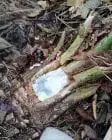 To make Matango, a collector extracts the sap, generally from the cut flower of the palm tree.
The production is artisanal and for the people of Cameroon it is an art and honor. The first thing that is done is to climb to the top of the palm and locate the point where the plant is preparing to sprout an inflorescence.
"Cameroon "It is an African country that has a wide geological and cultural diversity, it has beaches, deserts, mountains, jungles and savannahs, which make it a special place, where more than two hundred ethnic and linguistic groups live."
The palm sap It begins to ferment immediately after picking, due to natural yeasts in the air (often stimulated by residual yeast left in the picking container). In a couple of hours, fermentation produces an aromatic wine of up to 4% alcohol content, slightly intoxicating and sweet.
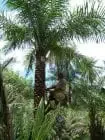 The preparation of Matango for the people of Cameroon is an art and honor, the first thing is to climb to the top of the palm and locate the point where the plant is preparing to sprout an inflorescence.
You wait for 2 days for the tank to fill and after this time a bottle is tied under the package and connected to the tank by making a small hole. It is a thick whitish liquid and if drunk in abundance produces a stimulating effect, it is usually consumed in glasses with ice.
The benefits of palm
Palm wine production by smallholders and individual farmers can promote conservation, as palm trees become a source of regular family income that can economically be worth more than the value of the wood sold.
Palm oil has also been used as an ingredient in food production. The Mvele, a Beti subtribe, prepare a meal of hearts of palm for new mothers as it stimulates milk flow.
Furthermore, the town Yambassa, in Mbam, uses the leaves of the traditional oil palm for dental caries treatment, while palm wine mixed with other ingredients is used as a remedy for male impotence, chlamydia, gonococcal infections, stomach pain, jaundice and measles.
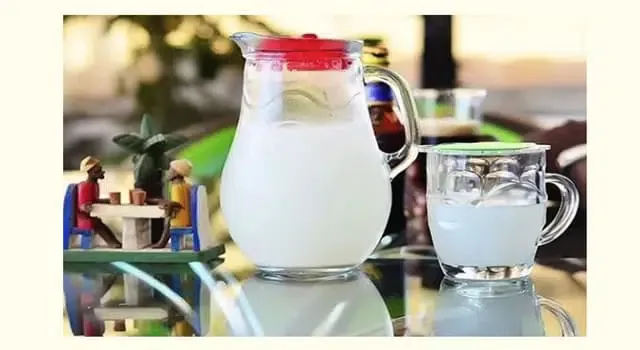 If Matango is consumed at the appropriate times we can find a sweet and watery liquor.
Other tribes give it various uses, including black oil extracted from the palm kernel for skin and hair care, and it is an indispensable and widespread ingredient in breast milk for newborns.
Charcoal obtained from palm nuts serves as a teeth whitener, and communities in southern Cameroon use it as toothpaste, and ashes from burnt oil palm bark soothe boils.
For this reason, the palm has always been a very important product. Most oil palms are grown in palm groves within mixed forests, and each palm grove is usually cared for and harvested by a specific family, which passes it on from generation to generation.
This video may be useful to you if you are interested in expanding your knowledge about the preparation of Matango: