

Chinese liquor has a history spanning more than 5,000 years, with a remarkable variety of styles and a legacy of famous spirits
Chinese liquor, or Chinese wine, is seeing growing demand internationally. Statistics suggest that the most widely consumed liquor in the world is Chinese and is called baijiu, which literally means “white alcohol”, although the term more accurately refers to a clear spirit.
Baijiu comes from a distilled spirit, not a fermented drink. The name covers several types of spirits made from grains, mainly rice and sorghum, but also millet or soybeans, depending on the different production regions.
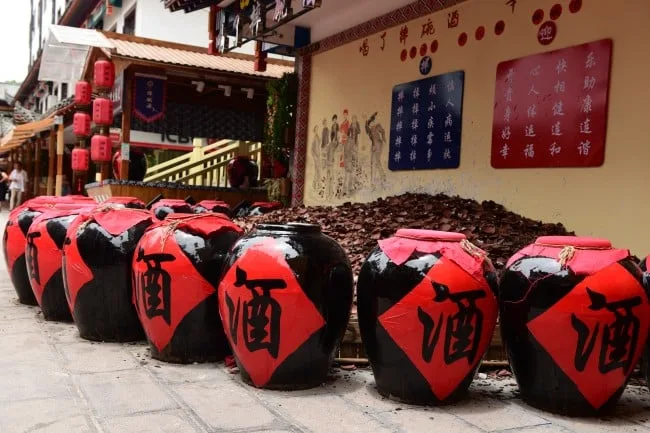 Ancient Chinese liquor vessels are renowned for their porcelain, bronze and lacquer work.
In China, there are two main varieties of wine:
- Fermented wines: these may be clear, beige or reddish-brown in colour;
- Distilled liquors: literally, “white liquor”, which are generally clear liquids. Although it is not a traditional product, grape wine was first mentioned in classical Chinese poems from the Tang dynasty 1,000 years ago. Since 1900, production and consumption in China have grown significantly due to the increasing influence of Western culture.
China has a long history of liquor production, with a broad range of styles and a collection of famous spirits that are well known both at home and abroad.
Jiu is the Chinese word used for all alcoholic beverages. It is often translated as “wine”, although its meaning is closer to “alcoholic drink” or “liquor”. The same Chinese character is used in Japanese, where it is pronounced sake or shu, and in Korean, where it is pronounced “ju”.
“Around 3,000 years ago, during the Shang and Zhou dynasties, the Chinese invented the double-fermentation method using distiller’s yeast and began producing large quantities of rice wine.
Liquor runs through the 5,000-year history of Chinese civilization, and in every field, from literary and artistic creation, culture and entertainment to food and cooking, preservation and healthcare, it plays a prominent role in Chinese life,” some historical documents explain.
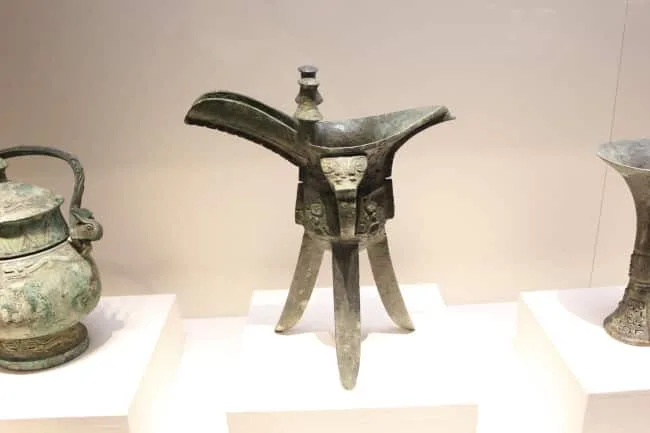
Ancient Chinese liquor vessels are famous for their porcelain, bronze and lacquer. Chinese wine cups are known for their beautiful imagery and abundant decoration. Western consumers also pay attention to the different types of wines and how they are served. They have glasses for white wine, red wine, brandy and so on.
Huangjiu (fermented beverages)
Chinese fermented wines, known as huangjiu, literally “yellow wine” or “yellow Chinese liquor”, “are obtained directly from grains such as rice or wheat. These liquors have an alcohol content below 20%, because of the inhibition that occurs in ethanol fermentation at this concentration. Traditionally, these wines are pasteurised, aged and filtered before final bottling for sale to consumers. Huangjiu can be distilled to produce baijiu”.
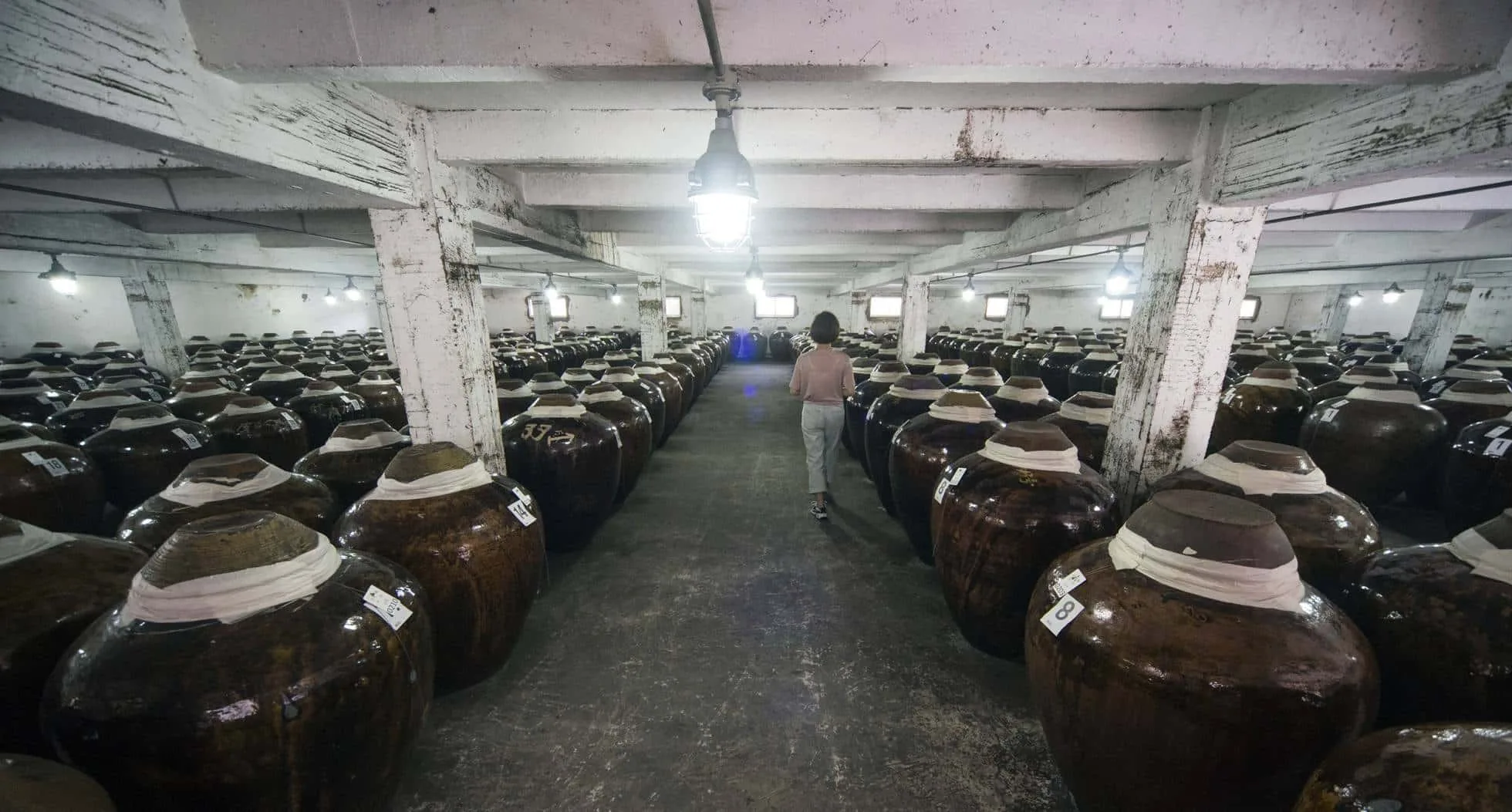
Huangjiu is classified according to several factors. These include the dryness of the Chinese liquor, the ferment used in its production and the production method.
Baijiu (distilled beverages)
Chinese distilled spirits are identified under the generic name baijiu.
White liquors are commonly called shaojiu, “hot liquor” or “burned liquor”, “both because of the sensation they leave in the mouth when consumed and because they are usually warmed before being drunk, or heated during distillation. Since liquors of this type are obtained by distillation, they generally have an alcohol content above 30% by volume. There are many varieties of Chinese liquor, both aromatic and non-aromatic”.
While there are many different classification methods for yellow Chinese liquor, white Chinese liquor is basically grouped by its fragrance.