
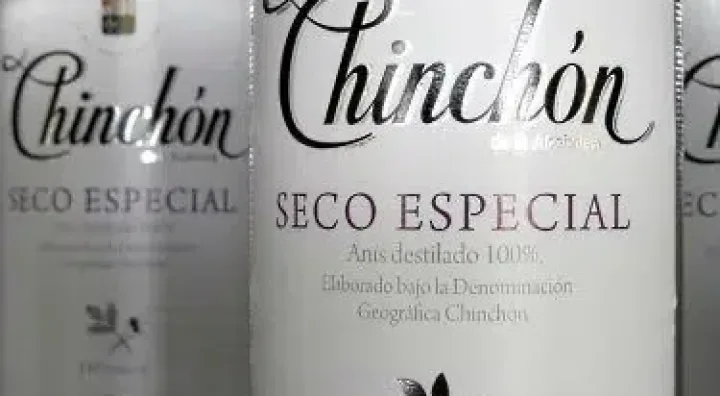
Chinchón Seco Especial: 74-degree anise with its own history
Special Dry Chinchón It is an anise that comes 100% from the still distillation of the green anise or matalahúga grain. It is made following a special distillation method and using exclusively natural ingredients.
It is considered a drink “very digestive”. Its 74 degrees must disintegrate anything we have ingested. This type of anise, well known to Madrid residents, is one of the strongest drinks that exist in its 'special dry' version.
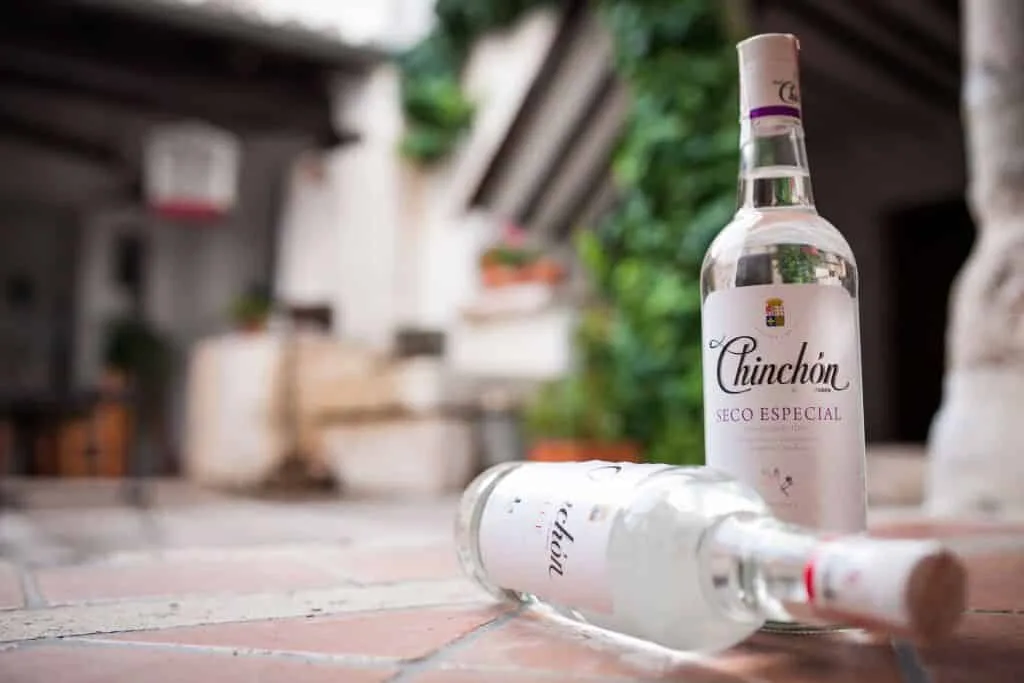 Chinchón Seco Especial is an anise that comes 100% from the still distillation of the green anise or matalahúga grain.
Between the 11th and 12th centuries they began to be cultivated in the fields of Chinchón vines and anise. Later, during the 19th century, the Society of Wine, Vinegars and Spirits Growers Chinchon, which was also in charge of producing and marketing anise, which later produced a split that gave rise to the Chinchón Alcohol Cooperative Society.
This happened in 1911. This Society was exclusively responsible for the production, distribution and protection of this distillate and promoted the creation of the Protected Geographical Indication.
The production process
To produce this liquor, green anise seeds (Pimpinella anisum) are selected and introduced into an alcohol solution of agricultural origin and of medium alcohol content. This solution is stored and left to macerate for about 12 or 14 hours.
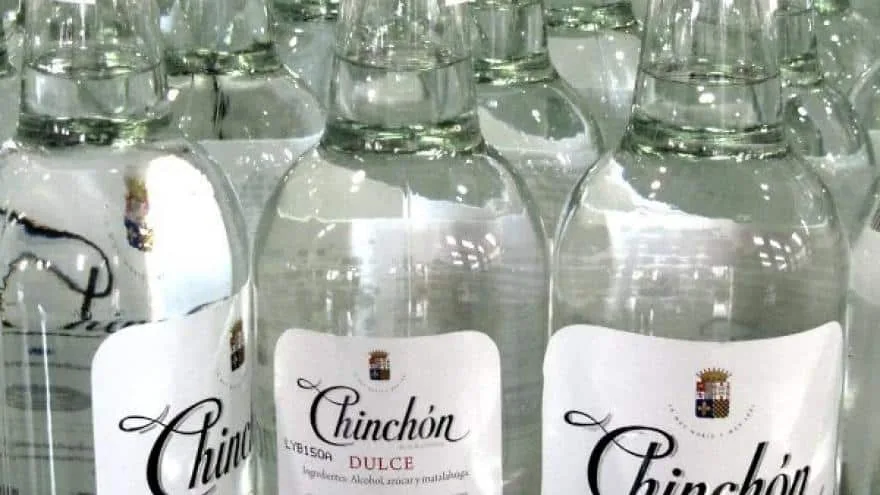 For its production, the "purest" spirit is taken, with an alcohol content of between 74% and 79%.
Then this solution is introduced into a copper still with a double bottom into which water vapor is introduced to prevent the liquor from sticking to the boiler.
For its production, the most "pure" spirit is taken, with an alcohol content of between 74% and 79%. This graduation decreases as the distillate is sweetened with glucose syrup and sugar. In order not to produce a sweet chinchón, demineralized water can also be added to reduce the graduation. The liquor has essential oils from the anise seed.
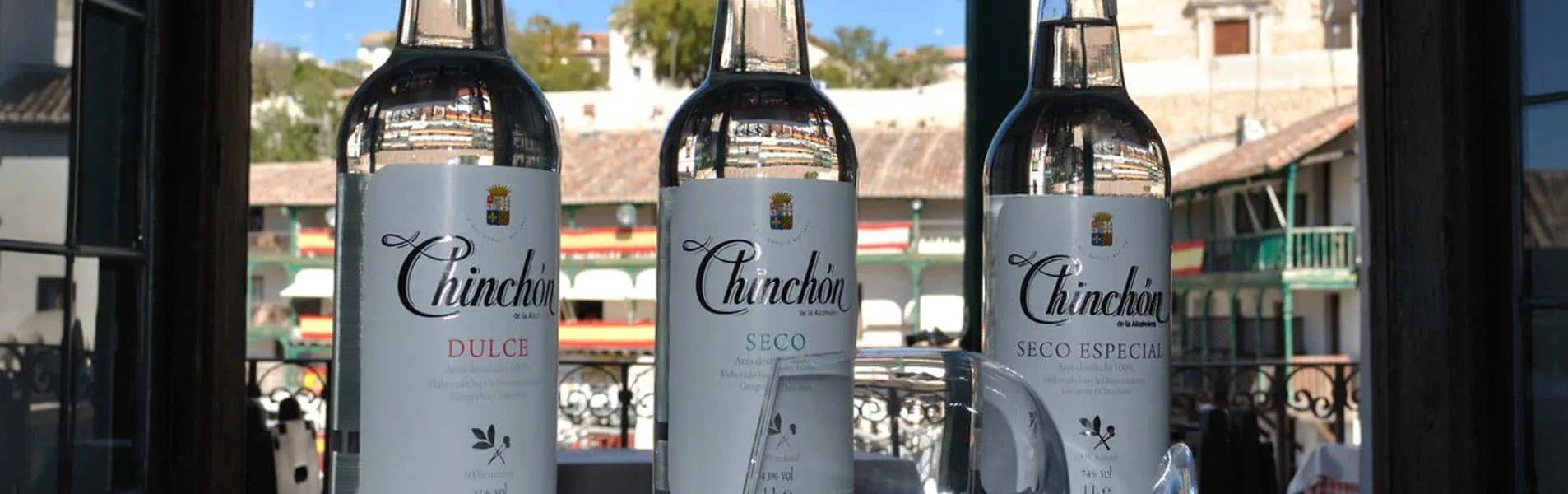 There are four varieties of chinchón depending on their alcohol content: sweet (between 35 and 40 degrees), dry chinchón (between 40 and 50 degrees), extra-dry (between 50 and 55 degrees) and special dry chinchón (74 degrees).
Varieties
| Product types | Acquired alcohol content | Sugar content | Minimum essential oil content |
|---|---|---|---|
| Special dry chinchon | 70 to 74% vol. | Not higher than 10 g/l. | 1.25 g/l. |
| Extra dry chinchon | 50 to 55% vol. | Not higher than 10 g/l. | 1.00 g/l. |
| dry chinchon | 40 to 50% vol. | Not higher than 10 g/l. | 0.75 g/l. |
| sweet chinchon | 35 to 40% vol. | Greater than 200 g/l. | 0.50 g/l. |
The special dry Chinchón does not have any problems in its conservation, its qualities remain intact once it has been bottled. What we do suggest is that you do not store it next to substances with intense and unpleasant odors. In addition, sun exposure and placement next to coffee makers or other heat-generating devices should be avoided.
Serve the special dry Chinchón at room temperature in a liqueur glass. I recommend drinking it in a long or wide glass, alone or with ice. It is very suitable to take first thing in the morning, with desserts or during the afternoon.
About the Chinchón Alcohol Cooperative Society
- It was founded in 1911, and is one of the companies with the greatest international penetration, since it exports 25% of its production to markets such as Mexico and South America.
- Its origin is in another larger cooperative, of collectors and producers, from which they split to dedicate themselves to the protection of this product, anise, which was becoming increasingly popular in Spain.
- The Chinchón Alcohol Cooperative Society It has been part of the González Byass Group since 1969, although it continues to make anise in the traditional way of Chinchón and within the municipality.
- Anise's name Chinchon refers to the anise produced in the town of Chinchón, with a Protected Designation of Origin, specifically using the anise matalahuga grain, through the traditional distillation method of anise chinchón.
You may be interested in: