
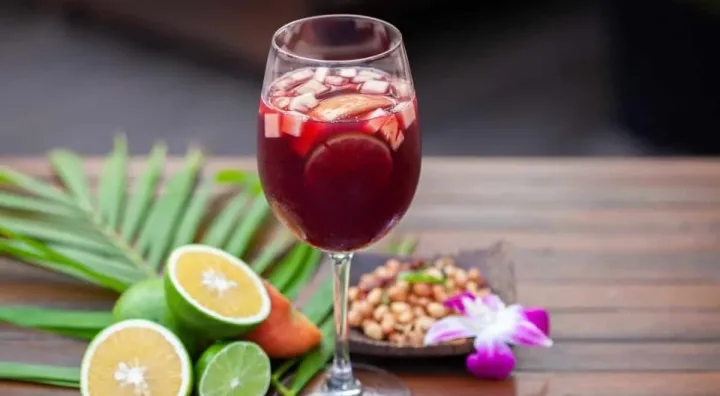
Sangria is commonly served in bars, restaurants, beach bars and festivals all over Spain, and it is the Spanish drink with the greatest international reach
Sangria is an alcoholic drink that originated in Spain and Portugal.
Today there are countless recipes, but it generally consists of wine, pieces of fruit, soda, a spirit or liqueur and sugar, and it is regarded as a drink with strong international appeal.
It is one of the most popular drinks in Spanish gastronomy. It is commonly served in bars, restaurants, beach bars and festivals throughout the country. Although it is not considered a cocktail, it meets all the requirements to be one, as it is a blend of alcoholic and non-alcoholic drinks. 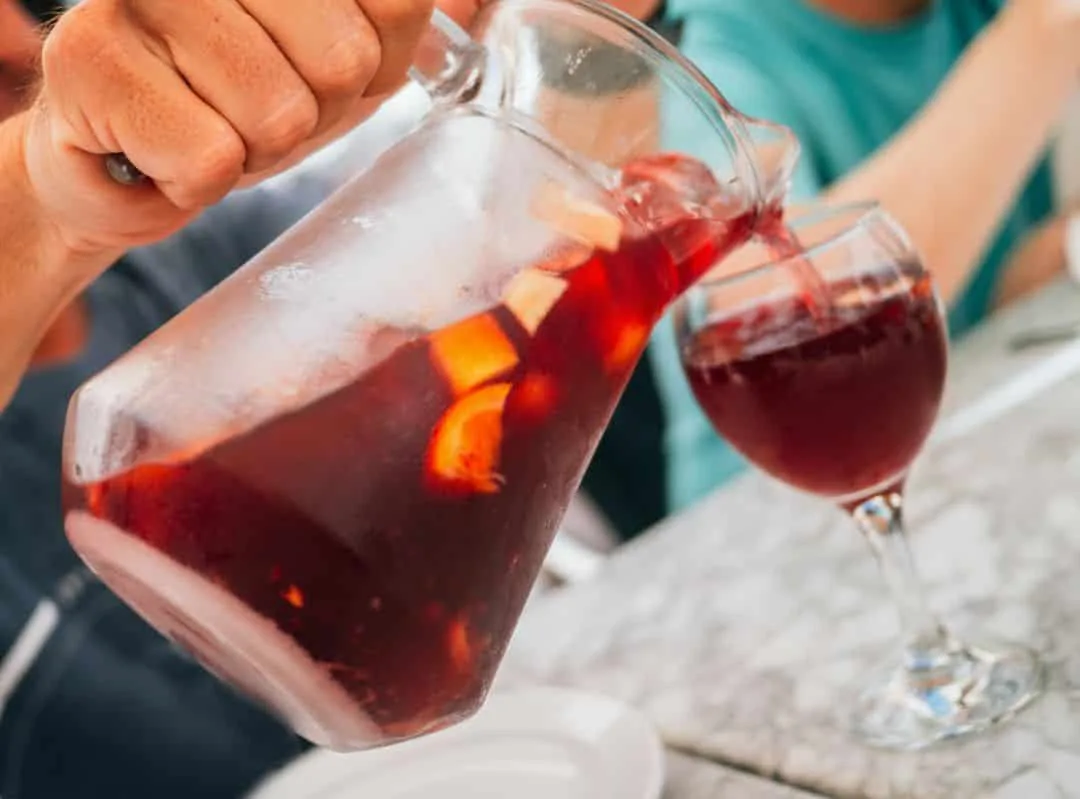 The challenge with sangria lies in letting the fruit macerate for a couple of hours so that the finished drink truly tastes of fresh fruit.
The IBA does not include it in its cocktail list because, unlike a cocktail, it was not created by a bartender and does not have one specific recipe; instead, it was born in Spanish homes and has countless variations.
In Asturias, cider is often used instead of red wine. There are also versions made with white wine, known as “white sangria”, and even with sparkling wines such as cava or champagne. In addition to wine, a second alcoholic drink is usually added, often a liqueur or spirit such as Brandy de Jerez, Cointreau triple sec, Martini vermouth, apple liqueur, Licor 43 and others.
European Union Regulation No. 251/2014 states that only producers from Spain and Portugal may call their product “sangría/sangria”, while producers from other countries must use “aromatised wine-based drink” instead, although they may also use the designation “sangría/sangria” as a complement. Sangria, however, also has a strong tradition in Peru, Uruguay, Venezuela and Ecuador.
In 2014, the European Union approved the protection of the designation “sangría/sangria”, making it exclusive to exports from Spain and Portugal, meaning that the other EU member states must use the term “aromatised wine-based drink”.
It is not exactly a refined drink
The Concise Oxford Dictionary considers the word sangria to be of Spanish origin, with the meanings of a cold drink of diluted and spiced wine and a drink made with lemonade and red wine.
According to the magazine Muy interesante, the word sangria comes from sangre, meaning blood, although it seems it was the English who made this drink fashionable in the mid-19th century. 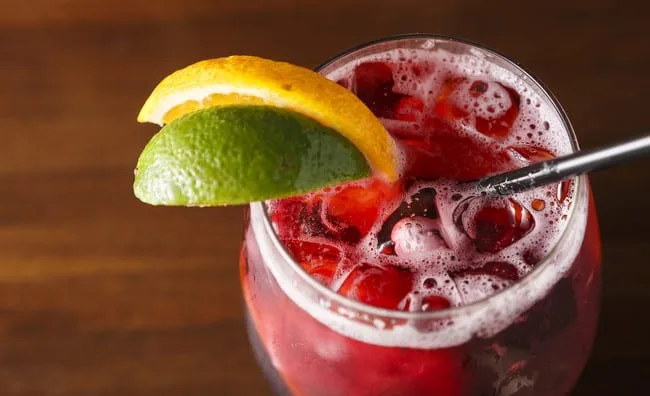 In some establishments, it is common for it to be made on the spot.
In practice, that often turns into a mix of Fanta with vermouth or brandy, where the fruit serves only as decoration. In places where the sangria has not been prepared in advance, it is best not to order it.
During maceration, the fruit being infused should ideally not be in contact with the air, to prevent oxidation. That oxidation does not ruin the final drink, but it is not especially pleasing to the eye.
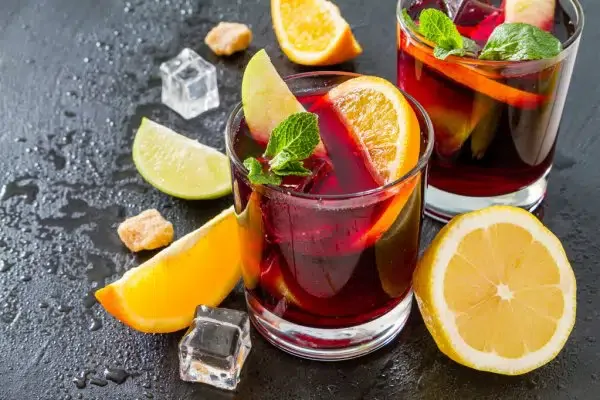
It is served in a transparent jug so that the fruit used to flavour the sangria can be seen. It is accompanied by ice cubes. The jug should have a spout designed to pour out the liquid while holding back the solid ingredients.
A long wooden paddle is placed inside the jug so the fruit is not damaged when the contents are stirred. If you do not have a wooden paddle, you can use a long-handled metal bar spoon, the kind used in cocktail making.
This is not a refined drink, but an informal one, perfect for serving with lunches, dinners and celebrations.
You should not order it in restaurants where the waiters wear formal attire; they are unlikely to be able to meet that request.
With its low alcohol content, it works very well as a refreshing drink, although you should not overdo it: the sugar makes it go to your head very quickly.
The most refreshing drink of the summer
Sangria is most often enjoyed as an afternoon drink.
It does not come in both hot and cold versions; it is served cold only.
It is sold ready-packaged, usually in Tetra Brik, although it can also be found in small bottles, large bottles and even bag-in-box formats.
It is the most refreshing drink of the summer, it appeals to every palate and it is easy to prepare. The quality of sangria depends directly on the wine you are going to use. For experts on this drink, removing or masking its flavour is sacrilege, but the transformation is worth it.
The Romans did not drink sangria, but they “mixed red wine with pepper and honey and called it mulsum; in the Middle Ages it was made with spices and honey, and in Catalonia it was called vi piment,” explains food historian Nuria Báguena.
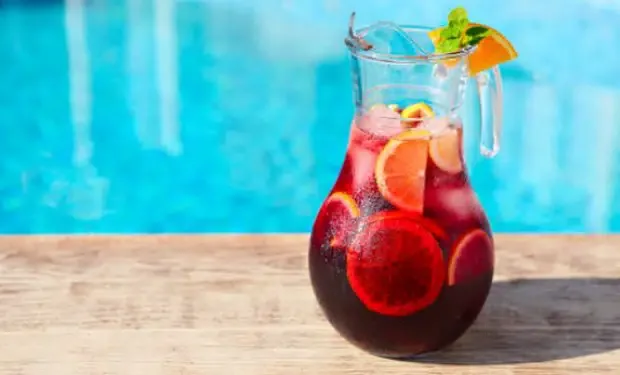 If you want to cool down with your own sangria, there are mistakes you should avoid, such as mixing red wine with too many spirits or failing to include seasonal fruit.
 The best sangria recipes:
- White sangria: a real summer hit. It gets its colour from a change in the main ingredients: white wine is used instead of red. It has a slightly different flavour, enhanced by white vermouth.
- Cava sangria: perfect for a special toast. For those who enjoy opening a bottle of cava every time the prawns arrive, or who wait for dessert before reaching for this drink, this recipe will be a favourite. We replace the wine with cava, which brings out all the flavours of this incredible drink.
- Frozen sangria: one of those drinks that lets you enjoy a wonderful combination of ingredients first-hand, thanks to frozen red berries. The result is a perfect sangria to serve as a cocktail: delicious and wonderfully refreshing.
- Peach sangria: lets you enjoy one of the season’s favourite fruits. Peach is the star of this drink. Sweeter than a conventional sangria, it is the recipe for long summer afternoons by the pool or the beach.
The traditional recipe
Ingredients:
- 1 l red wine,
- 2 peaches,
- 2 oranges,
- 1 lemon,
- 2 bananas,
- 1 apple,
- 60 g sugar,
- 1 cinnamon stick
- 330 ml orange soft drink.
Method:
Start by dissolving the sugar in 75 ml of hot water to make a syrup, which will help it dissolve more easily into the wine.
In a large container or bowl, add the wine and the syrup, then pour in the juice of one orange, stirring so everything blends well. Peel and chop the fruit, then add it to the bowl with the wine.
Add the juice of one lemon and the cinnamon stick.
Leave to rest for two to three hours so it can macerate.
After this time, pour it into a jug and serve with ice cubes.
You can also go for ready-made sangria, but making it yourself at home is always the best option.
You may also be interested in: