
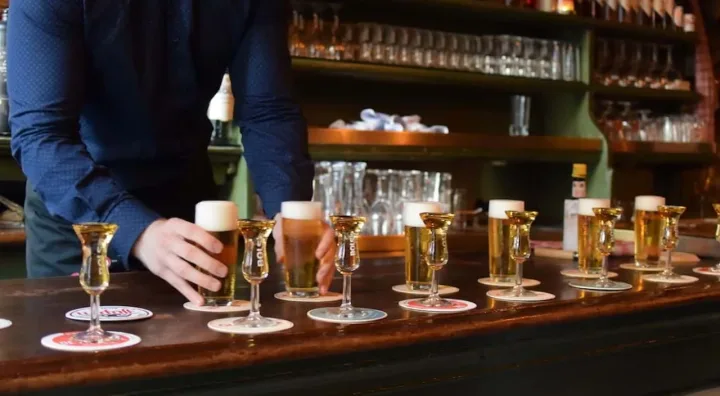
Kopstoot: beer and Dutch gin in the same ritual
In the country of tulips the most common drinks are both beer like the Geneva, which is why a Dutch tradition is to drink them as a Kopstoot, which is the combination of beer with a shot of Dutch gin, first you drink the whole shot of gin and, immediately afterwards, a good drink of beer.
Today there is a modern interpretation of this traditional ritual, kopstoot 2.0, which combines the best gins with the best of Lowlander craft beer. Due to the relatively high percentage of alcohol in gin, this can cause a burning sensation in the throat, which can then be extinguished with lager beer.
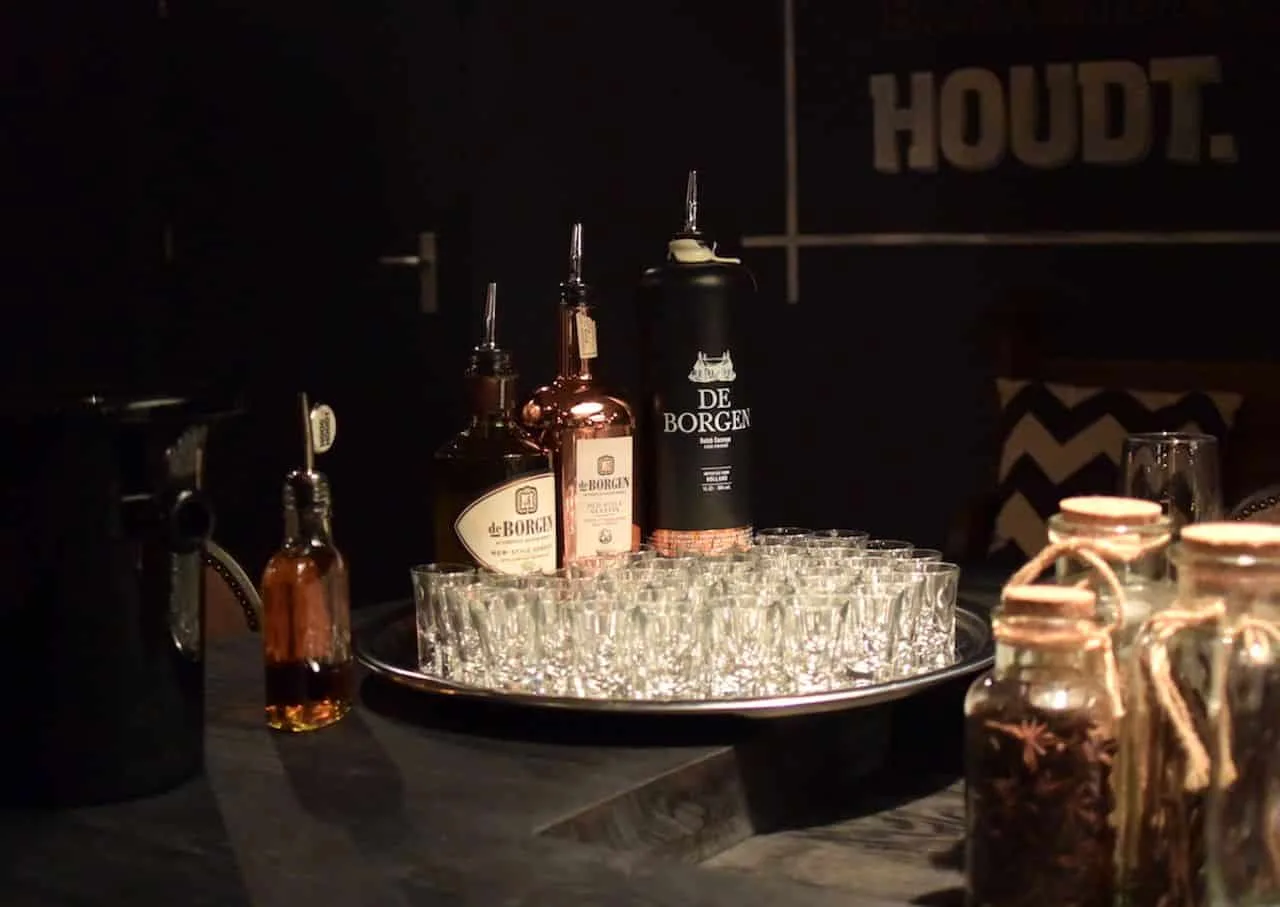 Kopstoot is distinguished by Genever (sometimes spelled jenever), whose definition falls somewhere between a gin and a whiskey. In fact, it is the precursor to today's modern London Dry Gin.
For example, at the bar De Drie Fleschjes ("The Three Little Bottles"), which opened in 1650, in what is now the center of Amsterdam's Red Light District, they serve drinks much the same as they did in the early days: a beer along with a glass of tulip gin, the signature Dutch brandy.
That this bar still serves a kopstoot is the reason why people have been coming to De Drie Fleschjes for centuries. This is the correct procedure, as the Dutch explain: "First, one must stand close (but not too close) to the tulip glass on the table. It is filled with genever to the top, so much so that the meniscus rises slightly above the edge of the glass. It is impossible to move without spilling the liquid.
"So you move your body in place. Then, you place your hands behind your back, bend at the waist, and sip some genever. Once that's done, you can use your hands to drink back and forth between the beer and the liquor as you wish."
The ingredient that defines a kopstoot
To the kopstoot It is distinguished by Genever (sometimes spelled jenever), whose definition falls somewhere between a gin and a whiskey. In fact, it is the precursor to today's modern London Dry Gin.
Genever uses a whiskey-style base spirit made from grains such as barley, rye, wheat and corn. Juniper and other botanicals are added for flavor. If you think of gin as a botanically flavored vodka, genever is like a botanically flavored light whiskey. However, unlike gin or whiskey, gin is traditionally between 30 and 35 percent ABV, so it can be drunk neat.
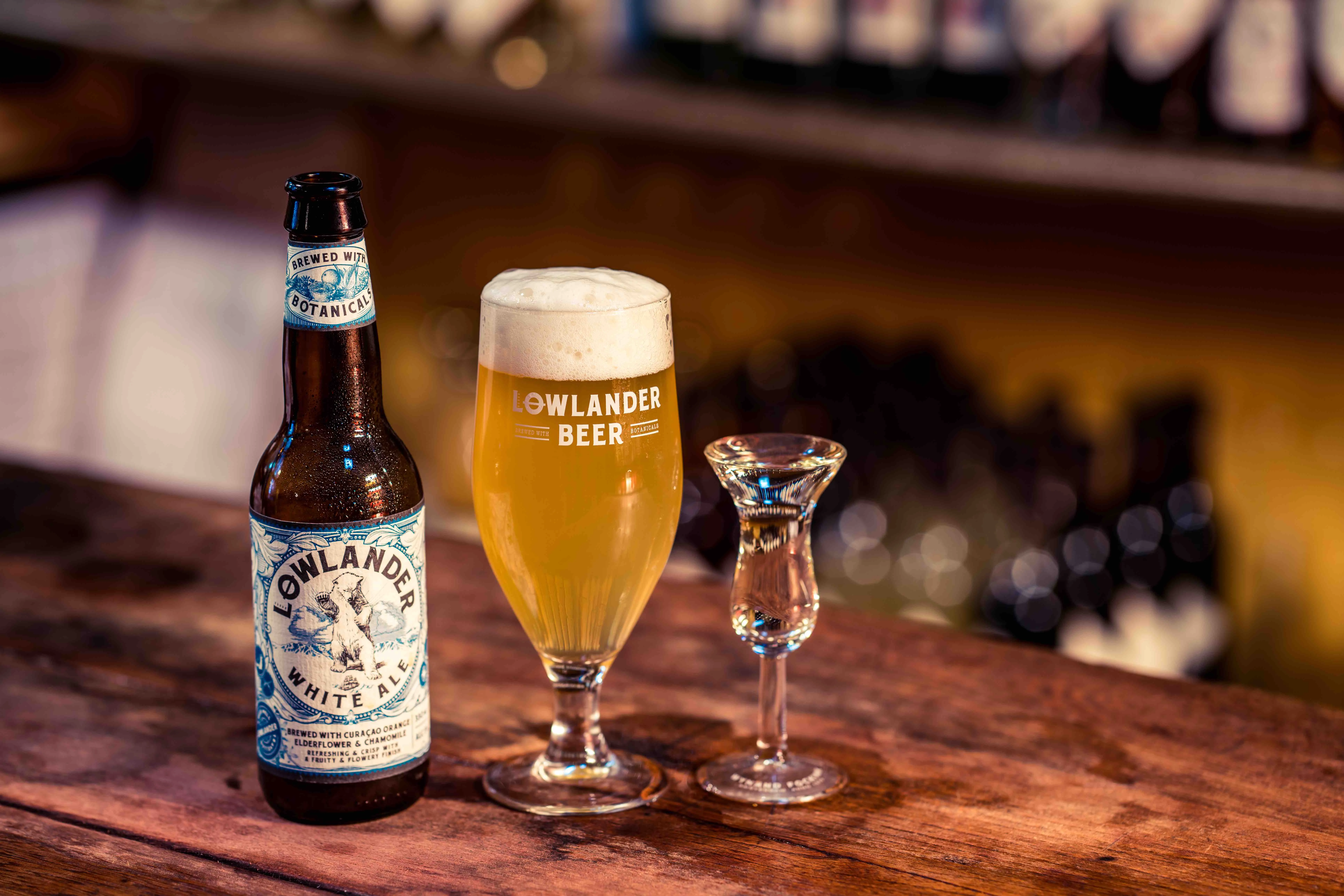 Today there is a modern interpretation of this traditional ritual, kopstoot 2.0, which combines the best gins with the best of Lowlander craft beer.
Who knows when the kopstoot?, but it probably happened the first time a drinker saw that they could order a beer and a drink at the same time. Therefore, it can be assured that this form is the mother of all traditions of drinking beer and a drink. Furthermore, without fear of being wrong, we can say that it is deeply rooted in Dutch culture.
A modernized Amsterdam tradition
The kopstoot Modern-ers keep one foot in line with tradition and the other moving forward with drinking trends. Heineken, which is based in Amsterdam, and other regional light lagers are the most common beer backup options.
However, Amsterdam's craft beer scene is growing rapidly, and where there's beer, there's a tulip-shaped glass of gin to go with it.
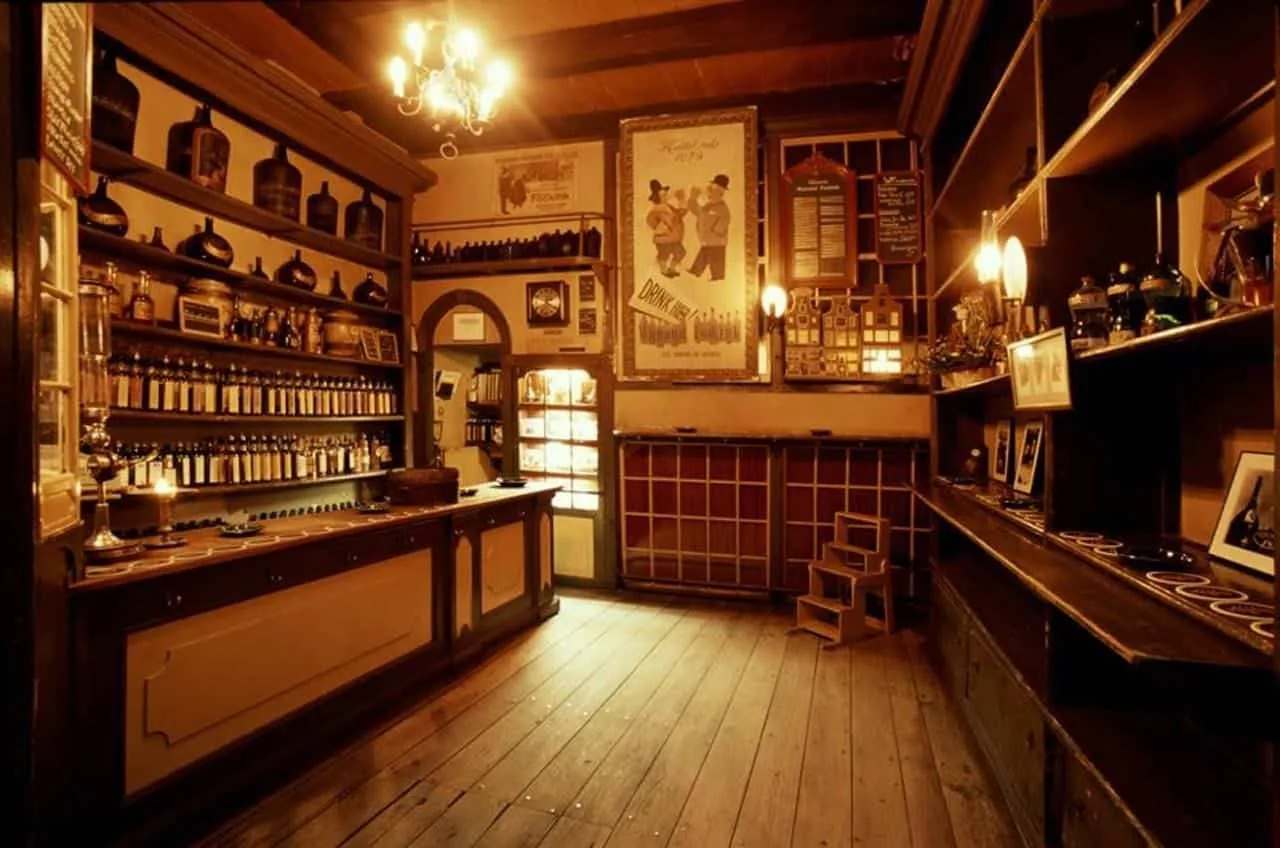 Amsterdam's craft beer scene is growing rapidly, and where there's beer, there's a tulip-shaped glass of gin to go with it.
The city's bars combine beer styles with different styles of gin from distilleries such as BOLS, Rutte, Notaris and Hooghoudt. “I like the kopstoot, but I don't like to do it all at once, ” says Myriam Hendrickx, Rutte's master distiller.
Every respectable bar in Amsterdam will serve you a kopstoot, among them By Drie Fleschjes, Proeflokaal A. van Wees and Wynand Fockink Proeflokaal.