
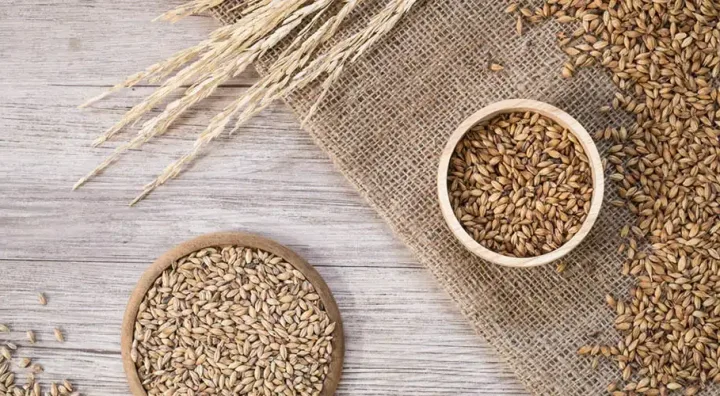
The beer malting process, its key characteristics, definition and the 3 stages used to obtain malt and stop germination
The beer malting process requires uniform grains that germinate at the same time; high enzymatic activity, so starch can be converted into sugar; low protein content, around 10%; and a low level of gums such as beta-glucans, which helps separate the grains from the wort during the steeping stage. Other types of grain can also be malted, including wheat, rye and buckwheat, among others.
If starch is to be converted into sugar, high enzymatic activity is essential, which is why barley is the star ingredient in brewing.
The type of grain varies depending on when it was sown: “It can be sown in autumn, winter or spring, depending on the climate in question.” 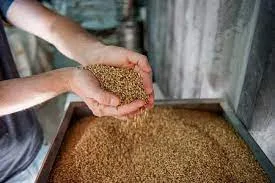
Beer malting
If starch is to be converted into sugar, high enzymatic activity is essential, which is why barley is the star ingredient in brewing. It is also important to consider the number of rows it has: “Barley grain can have two or six rows. The difference between them is that two-row grain is plumper and has a much thinner husk, making it the more sought-after of the two, as the extract obtained is much greater, so a smaller amount of product is needed for production.”
Let’s look at how the process is defined:
Beer malting is the first step in brewing beer. Essentially, it is the controlled germination process of a cereal grain—mainly barley, although it may also be rice, wheat, sorghum or maize. The process is stopped by drying the grains with heat. The result is known as malt, which is then subjected to different degrees of roasting to produce the various styles of both ales and lagers.
This process is essential for making beer because it turns cereal starches into sugars which, through the action of yeast, will ferment and become alcohol and CO₂. Malt also provides many of a beer’s defining characteristics, including body, foam stability, aromas and colour. In short, without malt, there is no beer.
Parameters to consider in beer malting:
- Type of grain
- Time the grain spends in each stage of the process (steeping, germination, drying and roasting)
- Moisture
- Temperature
When the goods arrive at the warehouses, a thorough quality control process must be carried out. The smell, colour and size of the grain should be checked, using only the largest grains for the malting process.
Moisture should be between 11% and 13%. If this is not the case, the grains must be dried before being stored in silos equipped with the right temperature, humidity and ventilation conditions. However, grain is not usually stored for more than 6 weeks because the germ becomes inactive. 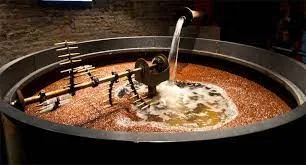 In the beer malting process, moisture levels must be raised to between 35% and 45% to activate the enzymes. To do this, the grains are immersed at around 15°C, with the water oxygenated frequently so the embryo does not suffocate. Once this has been done, the water is removed and the resting stage begins, during which the grains rest for two or three days under ideal humidity and temperature conditions so that the grain can germinate.
Good ventilation is essential to prevent CO₂ concentration. By the end of the resting stage, the embryo begins to germinate. During this process, proteins break down into amino acids, and cell walls into starch and beta-glucans. The grains are spread out with suitable moisture and ventilation so that germination can take place.
The process lasts approximately 5 days, producing what is known as green malt.
Three stages of beer malting
1.- Steeping: To encourage the grains to germinate, they are placed in vats where they are soaked in water at 15º Celsius and kept at a constant humidity of 45% for a couple of days.
2.- Germination: Once the grain has reached the desired hydration level and has begun to germinate, all the water is drained off and the grain is aerated, with humidity and temperature carefully controlled so the shoots can emerge. To do this, the grains are spread evenly over a flat surface and turned constantly to prevent heat from building up. At this stage of the process, proteins are converted into enzymes and the malt is known as “green malt”. This process takes a further four to six days.
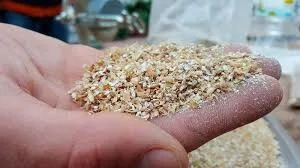
3.- Drying: Finally, the moisture content of the grains is reduced from 45% to just 3 or 4%. This is achieved by interrupting the germination process with heat. In doing so, the green malt dries out, allowing it to be stored safely. It is also during this drying stage that the aroma, colour and flavour compounds that give beer its character are formed. Drying takes place in kilns where hot air circulates at controlled temperatures so as not to affect the enzymes obtained during malting.
The malt then goes through a process known as rootlet removal, in which a machine removes the roots and shoots that emerged during germination so the malt can be stored and sold.
You may be interested in this about the beer malting process: