
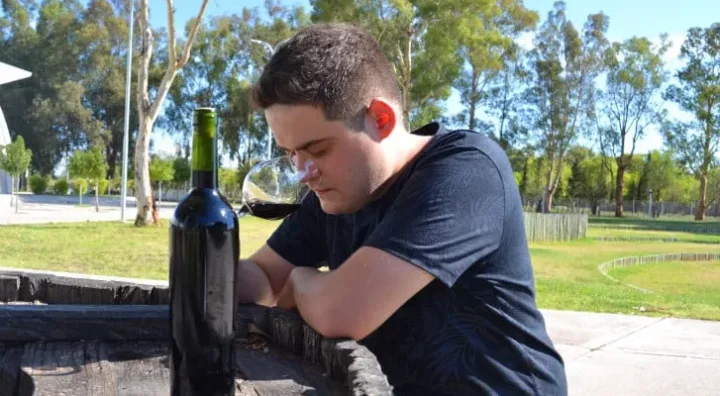
Emiliano Sosa is an oenology technician from Junín who talks to us about his passion for wine and reflects on the importance of bringing tradition and modernity together in the sector
Emiliano Sosa is a young Argentine deeply passionate about the world of wine.
At the age of nine, he was already accompanying his father Walter through the vineyards and, quite naturally, began learning the processes involved in making quality wine. He is usually found at Bodega Lancellotti, in San Martín, Argentina. There, they began developing innovative ideas that led to excellent homemade wines through the family project “Maestry”; however, Emiliano Sosa went on to become an oenology technician in Junín and now specialises in producing vermouth and other aperitifs.
Since 2020, he has been advising ventures in Argentina, Spain, Colombia and Mexico, a role he has successfully balanced with his educational work. His activity is linked to product consultancy, whether for wines, liqueurs or sangrias.
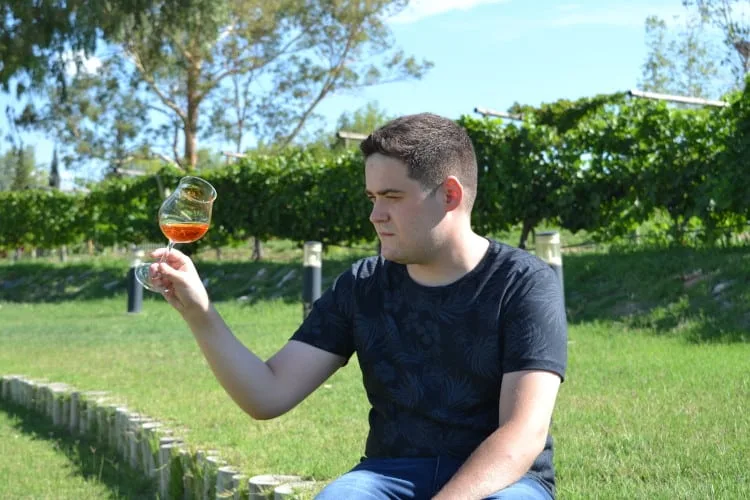
"My father is an oenologist, and my family has always lived that passion for winemaking. The life of a winegrower is not easy; it is a life full of challenges. Sometimes we don’t grasp the magnitude behind a single glass; there is an immense process in the background".
He studied for the Higher Technician qualification in Oenology and Fruit and Vegetable Industry at Iest 9-001 General José de San Martín. Practical experience alone was not enough for him, and through this process he came to understand the need to look back to the tradition of viticulture, the one born from rural growers and from interaction with the terroir.
The importance of tradition
Emiliano Sosa gathered information and testimonies from the area, especially about the ancestors of different drinks in the region.
His research led him to discover stories of immigrants and neighbours who held a precious treasure: recipes passed down orally, which could be lost over time. 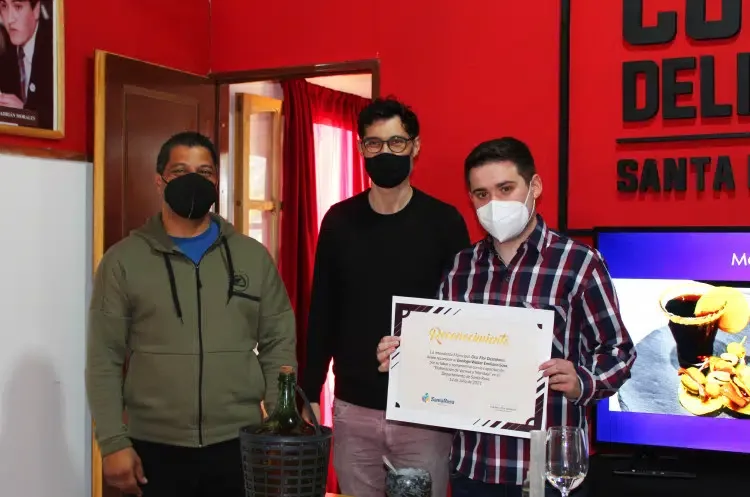 For Emiliano Sosa, researching traditional drinks and getting to know them in depth—appreciating their flavours, colours and aromas—has become a life’s work.
"Knowledge has been passed down from generation to generation in a natural way. In my research, I have tried to recover the history of wines, aperitifs, liqueurs and their derivatives. I became aware of the danger that forgetting our grandparents’ knowledge posed to viticulture. They made drinks such as vermouth, liqueurs, sangria and homemade wines of very good quality".
For Emiliano Sosa, researching traditional drinks and getting to know them in depth—appreciating their flavours, colours and aromas—has become a life’s work. "Personally, I like to use essences from extracts or herbs in my projects; they greatly enrich drinks such as vermouth, bitters or fernet".
The lost projects of Mendoza
"There are products that have been lost in Mendoza and it is our duty to recover them, because they are part of our ancestors. Along the way, I have met teachers such as Roberto Castro and Andrés Guienés, who have inspired me in my work."
“This body of information has enabled me to give online conferences, seminars, talks and consultancy to new ventures on the fascinating world of beverages, not only in Argentina, but also in countries such as Mexico, Peru, Bolivia, Ecuador, El Salvador and Chile,” explained Emiliano Sosa. 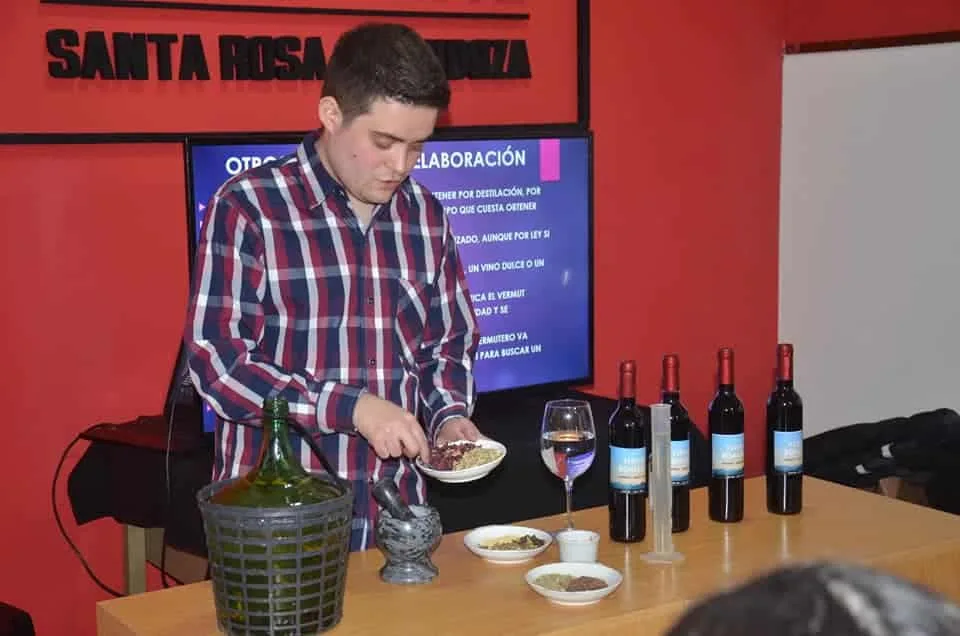 This collection of information has allowed him to give online conferences, seminars, talks and consultancy on the fascinating world of beverages.
Today, Wine Lovers can learn from everything he has studied throughout his life, as he makes it very accessible. Emiliano Sosa offers online courses that also teach how to produce Fernet and different liqueurs. These experiences have led him to two strategic conclusions. On the one hand, the Argentine winemaker stresses the need to be constantly searching for new alternatives; on the other, he speaks of taking advantage of new markets to create genuine employment.
A celebration for oenology lovers
In the recent initiative, presented by the Directorate of Culture and Tourism, oenology lovers had plenty to celebrate.
The event brought together attendees from different parts of the department and from nearby towns such as La Paz, San Martín and Maipú. There was room for everyone.
Students also joined the day’s activities. In this context, Emiliano Sosa was responsible for leading the Artisanal Aperitif and Liqueur Production Course.
The programme covered topics such as the production process for fernet, bitter, vermouth and liqueurs; the care required during their preparation; and the requirements of the Argentine Food Code, the National Food Institute (INAL) and the National Alcohol Law. 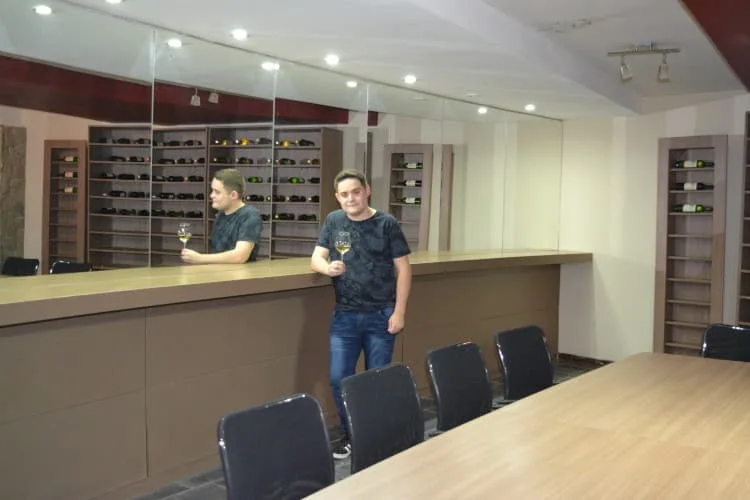 Starting in August, he will run a remote course via Zoom or Google Meet, with very small groups so that all participants can interact effectively.
“Products such as Fernet, bitter, vermouth and liqueurs have wine alcohol added to them, with macerations of herbs, spices, flowers, citrus peel, roots and barks. Each one involves different macerations. This course includes well-known recipes for these aperitifs and liqueurs,” explained Emiliano Sosa.
The best thing about this experience is that it did not remain confined to the event itself. The course will be held remotely from August, via Zoom or Google Meet, with very small groups so that all participants can interact effectively.  Students will therefore receive personalised attention. The course will last 2 days, with each class running for 2 hours, and information will be provided in Word, PDF or PowerPoint format. “I guide and advise them during the production process outside class hours,” said Emiliano Sosa.
A few previews...
“The only product that differs from all the others is vermouth, which is wine-based and made with citrus peels, spices and herbs through different macerations and additions of sugar, with a maceration period of 1 month or 2 and a half months, depending on the recipe, and an alcoholic strength of 18º OL,” he explained.  Emiliano Sosa shares with wine lovers not only his knowledge of wine, but also his passion for terroir.
- Aperitifs such as Fernet:
“It is a hydroalcoholic maceration made with herbs, barks, roots and citrus. It is produced with wine alcohol at an alcoholic strength of 40º OL. What is extracted during this maceration are the active and aromatic compounds, and it is then left to rest for three months. “After that, the solids are separated from the liquids, and a caramel is prepared to give Fernet its characteristic dark caramel colour. It is then left to age for six months in French oak barrels with different toast levels. Once it has finished resting, it is filtered and is then ready to drink.”
- As for bitters:
“They are macerated with bitter citrus peels, which contain essential oils that give them their distinctive flavour, together with added herbs such as wormwood and spices such as juniper berries. They are macerated in wine alcohol and water for three months. “This product contains colourings permitted by the CAA (Argentine Food Code) and sucrose sugar. This product has an alcoholic strength of 22º OL.”
- For the liqueurs:
“They are made through macerations with citrus peels, coffee, chocolate and dulce de leche extracts, and red berries. Wine alcohol is also added, with macerations lasting one or two months. Once this stage is complete, syrup is added for sweetness, or, in the case of cream liqueurs, cream and condensed milk are added.”
- The vermouths:
“They are macerated with neutral-base white or rosé wines —so they do not contribute aromas— together with herbs, spices and citrus peels. After a two-month maceration, wine alcohol and concentrated must or sucrose sugar are added to sweeten, along with preservatives and flavourings.”
You may also be interested in: