
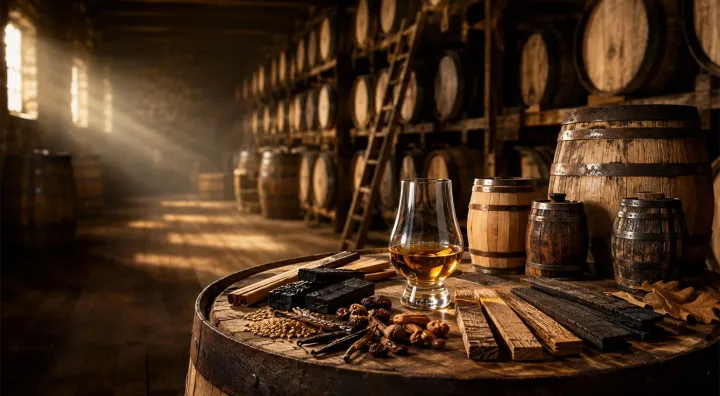
In the world of whisky, few numbers carry as much weight as those printed on a label: 12, 18, 25 or 30 years. For many enthusiasts, age feels almost like a promise. The longer it has spent in cask, the thinking goes, the greater the complexity, depth and prestige. In reality, though, maturation is far more fascinating than a simple countdown.
An old whisky can be extraordinary, of course. It can also feel tired, overly dominated by oak or surprisingly flat. In the same way, a well-made young whisky matured in the right cask can show energy, balance and a clearly defined personality. Age matters, but it never works alone.
What the age of a whisky really means
When a bottle carries an age statement, it refers to the time the whisky spent in cask before bottling. In the case of Scotch whisky, regulations require a minimum of three years' maturation in oak. From that point on, each distillery and each master blender makes decisions that have a decisive impact on the final result.
It is also worth remembering that whisky stops ageing once it is bottled. Unlike some wines, it does not continue to develop new aromatic layers simply by spending time in glass. So a 12-year-old bottle does not become a 20-year-old just because it has sat on a shelf for another eight years.
The cask: the true engine of maturation
Wood is not a neutral container. During maturation, the spirit extracts compounds from the oak that influence colour, aroma, texture and flavour. This is where notes associated with vanilla, sweet spices, nuts, coconut, caramel, polished wood or dried fruit can emerge, depending on the type of cask and its previous life.
American oak, often used in casks that previously held bourbon, tends to bring sweeter profiles, with echoes of vanilla, coconut and cream. European oak, common in sherry butts, usually contributes firmer tannins, spice, nuts and a more structured feel. But knowing the type of oak is not enough: whether the cask is first-fill or has been used several times also matters.
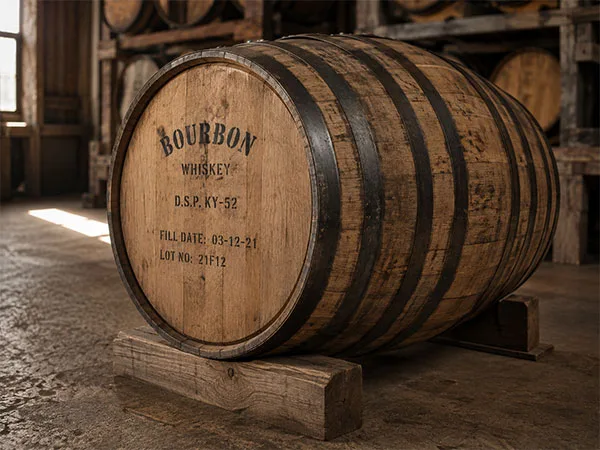
A first-fill cask is usually more active and releases aromas with greater intensity. A refill cask works more discreetly, allowing the character of the spirit to come through with less interference. Neither option is inherently better; it all depends on the style being sought and on the point at which the whisky reaches its balance.
Youth, maturity and old age: three different stages
During the first years, the relationship between spirit and wood is intense. The whisky gains colour quickly, takes on sweet and toasted notes, and begins to soften the sharper edges typical of a young alcohol. Firmer tannins may also appear, along with a sense of wood that is not yet fully integrated or a more direct profile.
In an intermediate phase, which in many whisky styles can be especially appealing, maturation tends to bring the elements together more harmoniously. The wood becomes less obvious, the alcohol rounds out and the aromas of the spirit find a point of balance with the cask's contribution. This is where many whiskies show a very convincing balance of character, depth and freshness.
With very long maturation, changes continue, but not always in proportion to the time invested. The major transformations of the early years give way to more subtle nuances. If the cask retains vitality and the spirit has enough structure, the result can be elegant and complex. If not, the oak can take over, the whisky can lose tension, or the whole may become less expressive.
The warehouse also leaves its mark
Maturation does not happen in isolation. Temperature, humidity, ventilation, the height at which casks are stored and the type of warehouse all shape the way a whisky develops. In warmer regions, interaction with the wood tends to accelerate. In more humid environments, evaporation can affect the spirit’s strength and texture in different ways. Even within the same warehouse, a cask placed in an area more exposed to temperature fluctuations may evolve very differently from another kept in a more stable spot.
This is one reason why two whiskies of the same age can taste radically different. An identical number on the label does not mean identical maturation. The origin of the spirit, the shape and design of the stills, the grain used, fermentation, the cask and the surrounding environment all form a far more complex picture.
Why a more expensive or older whisky is not always more enjoyable
Advanced age is often associated with rarity. Fewer casks reach older ages, liquid is lost through evaporation and storage costs increase. All of this can influence the price. But price, scarcity and age are not automatic synonyms for enjoyment.
A whisky lover looking for fresh fruit, cereal notes, lively smoke or a vibrant texture may prefer a younger whisky. Someone who enjoys notes of leather, old wood, dried fruit, spices and a calmer, more settled palate may find greater pleasure in mature expressions. Personal taste carries as much weight as the technical details.
How to read age with judgement
Age is useful information, but it should be interpreted alongside other details. Before assuming that a bottle will be better simply because it has more years behind it, it is worth paying attention to several factors:
- Cask type: bourbon, sherry, wine, virgin oak and other origins all influence the final profile.
- Distillery style: some produce light, floral spirits; others make robust, smoky or oily whiskies.
- Aromatic balance: wood should add complexity, not completely mask the whisky’s character.
- Strength and texture: aromas are not everything; mouthfeel is essential when assessing maturation.
- Personal preferences: not every palate looks for the same level of sweetness, oak, smoke or spice.
The right moment to bottle
One of the most important decisions in whisky making is determining when a cask has reached its optimum point. Bottling too early may leave the spirit feeling somewhat immature. Waiting too long can allow the wood to dominate or cause the whisky to lose vitality. The skill lies in identifying that moment when spirit, oak, oxygen and time are in harmony.
That is why the question should not be whether an older whisky is always better, but whether that particular whisky has made good use of its time in cask. Age can bring nobility, complexity and composure. But without good wood, suitable conditions and an accurate reading by the maker, years alone are not enough.
Ultimately, the number on the label can help guide you, but it should not replace judgement or tasting experience. In whisky, as in so many other drinks with a long tradition, time matters. What really counts is what has happened during that time.