
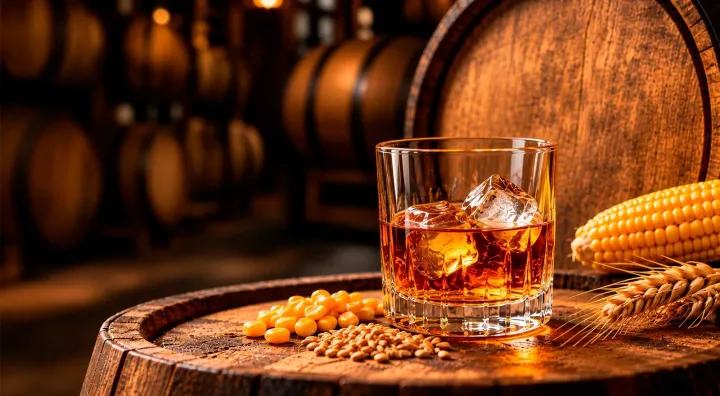
Kentucky’s bourbon industry is slowing production to adapt to a more uncertain market. The adjustment does not mean distilleries have stopped investing, but it does reflect a reality unique to aged spirits: decisions made today create stocks that will remain in warehouses for years before reaching consumers.
According to figures released by the Kentucky Distillers’ Association (KDA), around 2.13 million barrels were filled in the state in 2025, down from just over three million the previous year. That is the lowest level since 2019 and a decrease of nearly 30%. Even so, the volume of whiskey maturing in warehouses continued to grow: at the start of 2026, there were 17.5 million barrels of spirits on record, including 16.6 million barrels of bourbon.
A long production cycle calls for forward planning
Bourbon cannot respond quickly to a change in demand. US regulations require bourbon to be aged in new, charred American white oak barrels, although they do not set a general minimum aging period for a spirit to use the designation. In practice, many brands leave their whiskeys to mature for several years, so overproduction can lead to storage costs and put inventories under pressure for an extended period.
The current slowdown aims to bring those volumes into line with sales outlooks. Factors cited by the association include commercial uncertainty, competition for leisure spending and the emergence of new beverage categories. Export trends are also a concern: shipments of bourbon and other Kentucky whiskeys fell in 2025 and declined again in the first half of 2026, with particularly sharp drops in some European markets.
Exports, taxes and tourism
The picture varies by destination. The KDA reported a decline in exports to the European Union during the first six months of 2026, while shipments to Canada rebounded from the same period a year earlier, following a significant drop in 2025. These shifts show just how much commercial decisions and relations between markets can affect a category with a strong international outlook.
Another important issue for Kentucky distilleries is the tax on barrels held in storage. The association estimates that state and local taxes associated with these inventories reached $83 million. The taxable value of stocks also hit a record, although the gradual tax reduction approved in 2023 has begun to provide some relief.
Production restraint is unfolding alongside an expanding distillery landscape. According to official figures cited by the association, Kentucky has 139 licensed distilleries, operated by 117 companies. Tourism remains an important part of the picture: distillery trails give visitors a chance to explore how the climate, local agriculture, barrels and the work of master distillers shape bourbon’s identity.
An adjustment, not a departure from tradition
The current situation brings together business caution and long-term confidence. Filling fewer new barrels is intended to bring supply into balance, while distilleries continue to invest in innovation, jobs and visitor experiences. For whiskey enthusiasts, these changes do not necessarily mean an immediate shift in the bottles available: time passes between a production decision and its impact on the market.
This episode is a reminder that bourbon depends as much on patience in the warehouse as it does on economic and commercial factors. Kentucky has a long distilling tradition, but its future also depends on managing inventories, adapting to markets and sustaining international interest in this style of whiskey.