
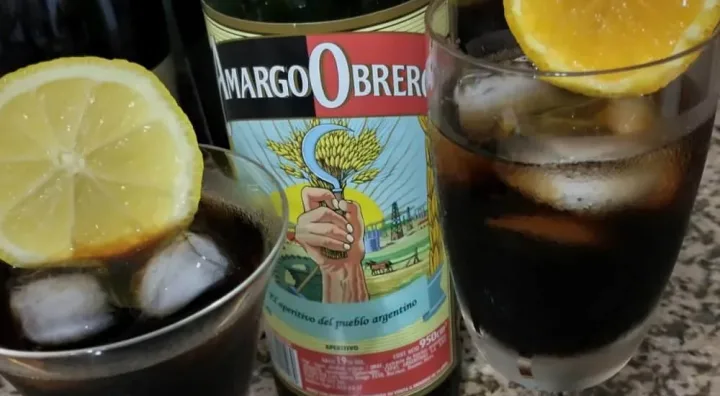
Amargo Obrero is known for its herbal, almost liqueur-like flavour: a traditional aperitif from Rosario with deep roots in Argentina’s working-class table
Amargo Obrero is a dark brown, herbal-tasting drink created in 1887 as an answer to the sweet drinks favoured by the upper classes. Since then, it has been known as the aperitif of the Argentine people and a drink of the working class.
The aperitif was first made in the city of Rosario by Italian-Argentines who, on arriving in this land, did not want to lose this traditional custom of Italian gastronomic culture.
That is why Amargo Obrero should be present at the Settimana de la Cucina Italiana nel Mondo, because it carries the seal and the mark of Italian identity in Argentina. In June 2017, the Deliberative Council unanimously declared it Cultural Heritage of the city of Rosario, due to “its popular and working-class origin, as well as its historical link with social customs nationwide”.
It is the result of a blend of aromatic mountain herbs. As Memé Tacconi recalled, “when her grandfather Hércules qualified as an accountant in 1920, he began working at Pedro Calatroni’s factory, which was devoted to making liqueurs”.
Tacconi went into partnership with Calatroni and, in that same establishment where the vodka “Troika” was also produced, an amaro was created in keeping with Italy’s aperitif culture. It was named “Amargo Obrero”. The new drink was embraced by local workers and became increasingly popular. 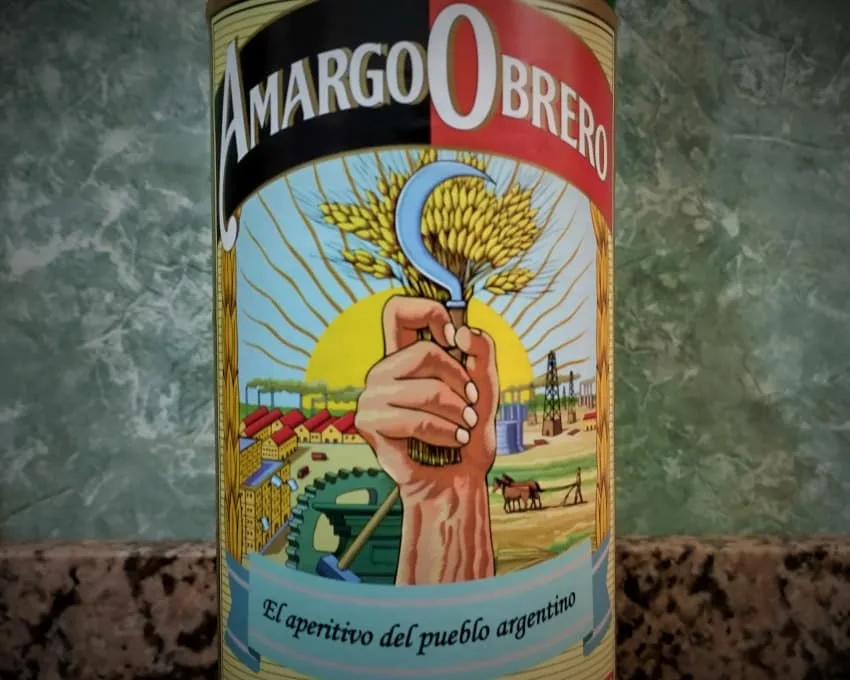 Amargo Obrero was first made in the city of Rosario by Italian-Argentines who, on arriving in this land, did not want to lose this traditional custom of Italian gastronomic culture.
After Calatroni’s death, Tacconi bought the other share from his widow and the company became Sociedad Anónima Tacconi & Cía until 1987, when it was sold to Bols. It later passed to Cepas Argentinas, which continues to market it today.
The unanimous decree of the Deliberative Council of Rosario, dated June 2017, declared Amargo Obrero Cultural Heritage of the city.
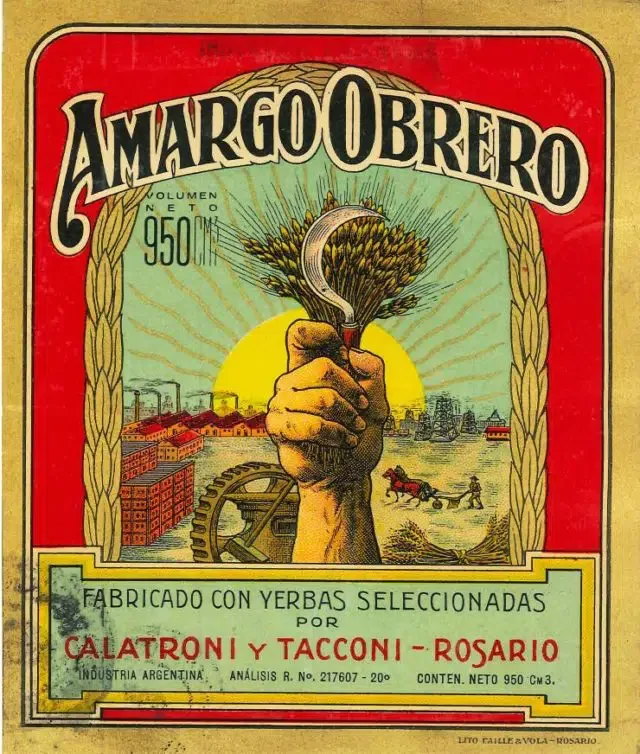
Its creation alludes to anarchist unionism, reflected in the red and black colours of its label. Over time, it was later adopted by Peronism, becoming a symbol of that political movement, which identified it as the aperitif made by and for Argentina’s working class. Some claim that the red and black colours on the label refer to the colours associated with Club Atlético Newell’s Old Boys of Rosario.
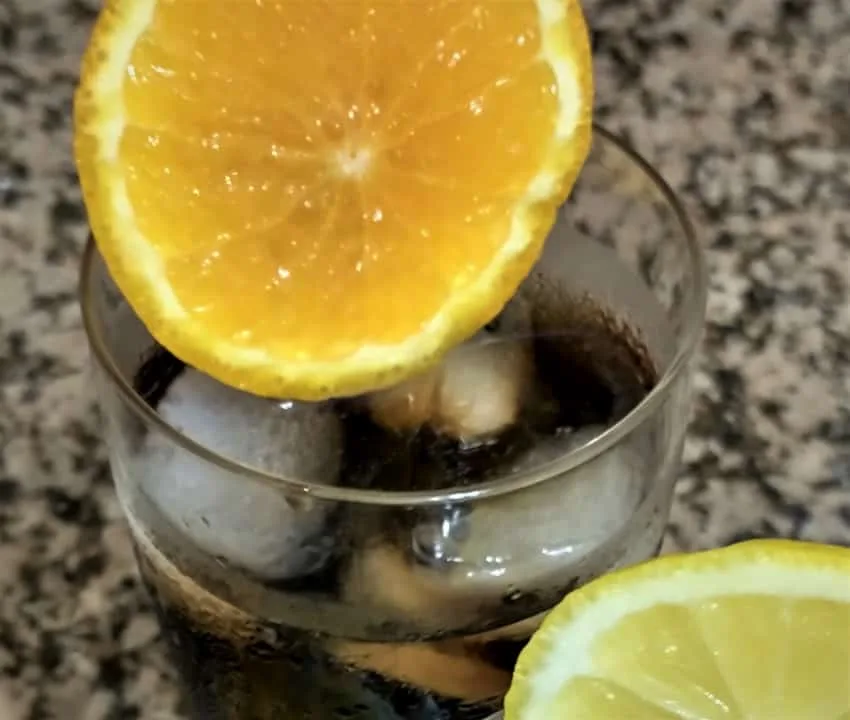
It has been described as a Peronist drink positioned among men. When served, it appears as a glass with a frothy mixture of the drink and soda, a familiar sight on the zinc counters of bars, bodegones and neighbourhood clubs, especially after work.
It brings back a family memory, the neighbourhood...
Amargo Obrero is characterised by an aroma reminiscent of fernet, but sweeter. It is obtained from a blend of herbs such as carqueja, chamomile and muña muña, with an alcoholic strength of 19%.
Some of the drinks recommended by the brand include El Che, Pico y Pomelo, Pueblo Grande, Caipi Obrera de Lima and Sud Americano. However, Ruiz stated that “in his establishment they serve 15 cocktails based on ‘Amargo Obrero’, most of them created and prepared by local bartenders”.
For Argentines, Amargo Obrero immediately brings back a family memory, the neighbourhood or the place they come from: “It reminds us of a father, a nonno or a neighbour, in the bar or at the club, drinking this traditional aperitif from the Argentine table”.
You may also be interested in: