
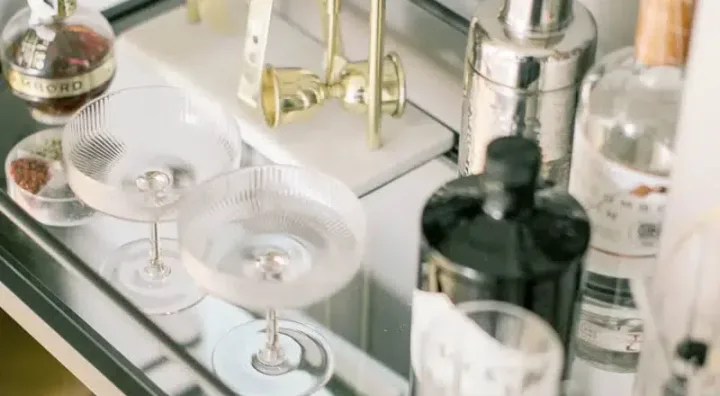
Gin is one of the most versatile spirits in classic cocktails. Its character starts with a high-strength neutral alcohol flavoured with juniper berries and other botanicals, from citrus peel and spices to roots, flowers, herbs or fruit.
Modern gin developed as an English answer to Dutch genever. From that inspiration came drier, stronger spirits with a more defined aromatic profile. Styles now vary widely, but juniper remains the botanical that gives gin its identity.
The alcohol base
Gin begins with neutral alcohol. Most producers obtain it from grains such as maize, rye or barley, although any source rich in fermentable sugars can be used, including sugar cane, grapes, potatoes, rice or apples.
With grain-based alcohol, production usually starts with malting. The cereal is soaked to begin germination, allowing enzymes to convert starch into fermentable sugars. Warm air then stops the germination, leaving malt ready for sugar extraction with water and mechanical work.
Fermentation and first distillation
The cereal wort is fermented with yeast at a controlled temperature. The yeast turns sugars into alcohol and creates a low-strength liquid similar to a base beer. With grapes or sugar cane, the sweet liquid can be obtained more directly through pressing or juice extraction.
Distillation separates alcohol from water and other compounds by using their different boiling points. Alcohol boils at around 78.2 °C, below water, so its vapours can be collected, cooled and condensed into a purer spirit.
Botanicals and juniper
Once the alcohol base is ready, it is flavoured. Juniper berries are essential for the spirit to be recognised as gin, but each producer builds a recipe with additional botanicals such as orange or lemon peel, coriander, angelica root, orris, cardamom, cinnamon, flowers and aromatic herbs.
Aromas may be extracted by maceration, vapour infusion or a combination of both. In many gins the flavoured base is distilled again, capturing the lighter aromatic molecules and producing a clear, clean, high-strength spirit.
Final adjustment
After the final distillation, gin may reach 70% to 80% alcohol. Before bottling, the producer reduces it with purified or mineral water to the chosen strength. This final step affects texture, aromatic intensity and overall balance.
That is why two gins made from a similar base can taste very different. Botanicals, extraction method, distillation cuts and dilution water all shape whether the profile feels dry, citrus-led, spicy, floral or classically juniper-driven.