
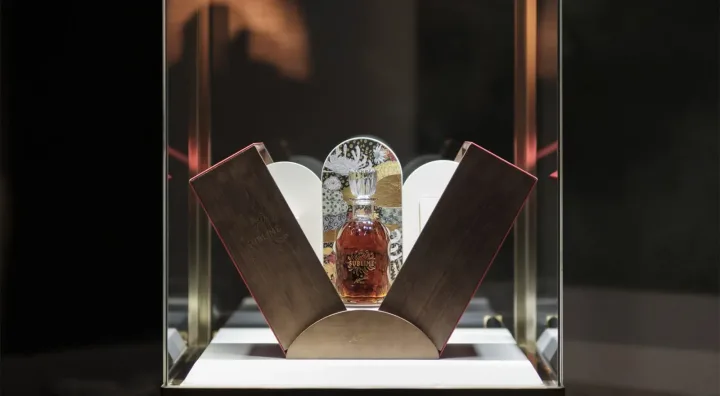
Ron Matusalem once again steps into the territory of its most distinctive limited expressions with Sublime Kiku, a new release within its collection of high-end rums. What sets this proposal apart is an unusual detail for the category: a final stage of maturation in casks that previously held Japanese junmai sake, a choice that deepens the dialogue between Caribbean rum, European ageing tradition and Japanese sensibility.

The release belongs to the Sublime line, conceived by the brand as a space for exploring more exclusive finishes, presentations and flavour profiles. In this case, the name Kiku refers to the chrysanthemum, a flower with strong symbolic meaning in Japan, traditionally associated with ideas of longevity, refinement and nobility. Beyond the aesthetic reference, the choice of sake introduces an intriguing technical element: the influence of a rice-based ferment on a spirit made from sugar cane.
A Dominican rum with an international outlook
Ron Matusalem is one of the historic houses of Hispanic-style rum, a profile usually defined by a smooth texture, notes of dried fruit, vanilla, polished wood and a carefully integrated sweetness. The brand maintains close ties with the Dominican Republic and has built much of its identity around the solera system, a method of fractional ageing inspired by the world of Jerez wine.
In broad terms, this kind of system makes it possible to blend rums of different ages and profiles in pursuit of consistency, balance and complexity. It is not simply a matter of ageing for a fixed period, but of creating a blend in which younger and more mature casks interact throughout the process. In the case of an edition such as Sublime Kiku, that base is combined with a highly unconventional cask sequence.
The cask route: bourbon, sherry, Bordeaux and sake
According to the information provided for this edition, the rum begins with an initial maturation in ex-bourbon American oak casks within the solera system, as well as in Spanish butts that previously held Jerez wine. This combination is especially familiar in many premium rums: ex-bourbon typically brings vanilla, coconut, sweet spice and toasted oak, while the influence of sherry can contribute nuances of raisins, dried fruit, cacao and a more enveloping mouthfeel.
After this first stage, the rum moves into Bordeaux wine casks, specifically tuns from an environment associated with the great wines of the French region. This type of finish can add layers of ripe red fruit, fine tannin, balsamic notes and a structure different from that usually found in rums aged solely in American oak.
The most striking phase comes at the end, with contact in Japanese ex-junmai sake casks. Junmai is a style of sake made without added distilled alcohol, using rice, water, koji and yeast. Its profile can vary widely depending on rice polishing, fermentation and the brewery’s style, but it is often associated with a gastronomic, umami-led expression and a broad texture. Bringing that aromatic echo into a rum opens up uncommon territory, closer to conceptual high-end mixology and the culture of experimental finishes than to classic mass-market rum.
What a sake cask can bring to a rum
The use of sake casks in spirits remains limited when compared with finishes in bourbon, sherry, port, red wine or Sauternes. In a drink such as rum, where molasses or cane juice provide a naturally warm and sweet base, contact with a cask that has held sake may work more through subtlety than intensity.
Without setting out a fixed tasting note, the finish can be expected to broaden the aromatic range towards more delicate impressions: cooked cereal, rice, white flowers, stone fruit, gentle lactic notes or a subtle saline undertone. It may also bring a drier, more gastronomic dimension, an interesting way to balance the roundness of aged rum.
This kind of experimentation fits neatly within a visible trend in the premium segment: rums that do more than simply showcase age or rarity, and instead aim to tell a story through the cask. In recent years, specialist consumers have shown growing interest in finishes drawn from very different worlds, from fortified wines to beer casks, cognac, Madeira and even Japanese spirits.
Luxury presentation with a collector’s focus
Sublime Kiku is presented in crystal decanters made by Vista Alegre, the Portuguese house known for its work in porcelain and crystal. Each piece is numbered and comes with a certificate of authenticity, as well as an artistic intervention linked to Japanese creator Mari Ito. The staging confirms that this release is aimed both at rum enthusiasts and collectors of highly limited-edition spirits.
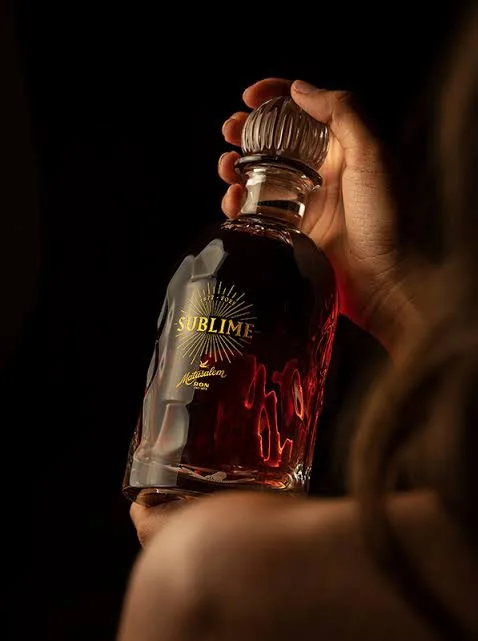
The brand has announced a limited worldwide production of 600 units, placing this bottle firmly in the realm of restricted availability. In this segment, the vessel matters almost as much as the liquid itself: decanter, numbering, cultural narrative and presentation all form part of the experience. For some consumers, these elements enhance the bottle’s symbolic value; for others, the main point of interest will remain whether the sake finish translates into a genuine organoleptic difference.
Japan and rum: an increasingly visible bridge
Although Japan is internationally better known for whisky, sake and shochu, its culture of precision, service and respect for raw materials has had a notable influence on cocktail culture and the global appreciation of spirits. For a Caribbean rum brand to look towards sake is not an isolated gesture: it reflects a context in which the boundaries between categories are more permeable than ever.
For rum, launches of this kind help reinforce the image of a diverse and sophisticated category. For decades, many consumers associated rum almost exclusively with mixed drinks, tropical cocktails or very sweet profiles. However, the rise of long-aged rums, origin bottlings, collector’s editions and special finishes is broadening its perception in markets where it competes directly with whisky, cognac or armagnac.
Serving and pairing: how to approach a rum of this profile
An edition such as Ron Matusalem Sublime Kiku calls for slow tasting, preferably in a tulip glass or tasting glass, with enough time to observe its evolution. With complex rums, it is best to avoid excessively cold serving temperatures, as they can close down the aromas. A short rest in the glass helps reveal layers of wood, fruit, spices and possible nuances derived from the sake.
As for food pairing, its profile would work well with dishes that do not overwhelm the palate. Reasonable options might include:
- Dark chocolate with a medium-high cocoa percentage, especially if the rum shows notes of cocoa or nuts.
- Moderately intense aged cheeses, seeking contrast between fat, salinity and sweetness.
- Desserts featuring stone fruit, vanilla or nuts, without excessive sugar.
- Japanese-inspired dishes with pronounced umami, provided spicy or very salty flavours do not dominate.
Rather than a rum designed for cocktails, Sublime Kiku seems geared towards contemplation and collecting. Its appeal lies in the way it connects different liquid territories: Dominican rum, Western-style oak maturation, Bordeaux wine and Japanese sake. It is an uncommon proposition that confirms just how far premium rum continues to seek new languages for expressing complexity.