
The making of Cuban rum: from sugar cane to aguardiente and rum
The history of Cuban rum is as old as colonisation itself, since it comes from the sugar cane that reached the island with the Admiral on his second voyage to this continent. From that crop grew a tradition linked to the work of the sugar mills, the use of cane juice and the evolution of aguardientes that would eventually shape Cuba’s rum.
It is said that enslaved people used to drink what they called “guarapo”, obtained from the fermentation of cassava and maize. Later they began extracting the juice of sugar cane, which, once fermented, gave rise to a strong liquor. At first the liquid was obtained with rudimentary devices, but later the trapiche was used in sugar mills and centrales; guarapo was transformed into alcohols and from them came aguardiente.
The importance of cane and fermentation
The making of Cuban rum starts with a raw material closely tied to the island’s climate and agriculture: sugar cane. From it comes a juice rich in sugars which, through fermentation, makes it possible to generate base alcohols. In Cuban rum tradition, this step is not only technical: it also defines the aromatic profile that will later be refined through distillation, ageing and blending.
Fermentation converts sugars into alcohol and creates aromatic compounds that influence the final character. That is why, although rum may seem simple when served in a glass or cocktail, its production requires precision, control of time and knowledge of the raw material. Guarapo, aguardiente and later distillates form part of a historical chain that explains the personality of Cuban rum.
From aguardiente to aged rum
With the development of sugar mills and centrales, production became more organised. The use of the trapiche made it possible to extract cane juice more regularly, and aguardiente began to occupy an essential place in the island’s spirits culture. From those alcohols, a cleaner, lighter and more balanced style of rum was gradually perfected.
Cuban rum is usually associated with a smooth and versatile profile, appreciated both neat and in classic cocktails. That elegance does not happen by chance: it depends on the selection of alcohols, ageing, resting and blending work that makes it possible to obtain a coherent, aromatic drink that fits different ways of serving.
The role of the Maestro Ronero
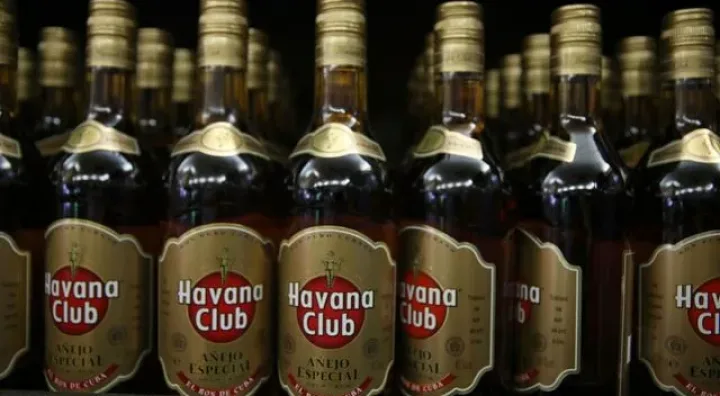
In Cuban tradition, the Maestro Ronero plays a decisive role. His work consists of interpreting the available alcohols, following their evolution during ageing and deciding how they should be combined to maintain a recognisable style. In brands such as Havana Club, this figure helps explain why Cuban rum is not understood only as a distillate, but as a culture of production passed down through generations.
The Maestro Ronero’s knowledge is especially important in the final blend, where the goal is balance between aromas, body, smoothness and persistence. Each batch must respect the identity of the rum while preserving the consistency expected by those who return to a particular brand or style.
A video on the making of Cuban rum
In this interesting video, the Maestro Ronero of Havana Club explains the process of making Cuban rum and helps to show how sugar cane is transformed into a drink with its own identity.