
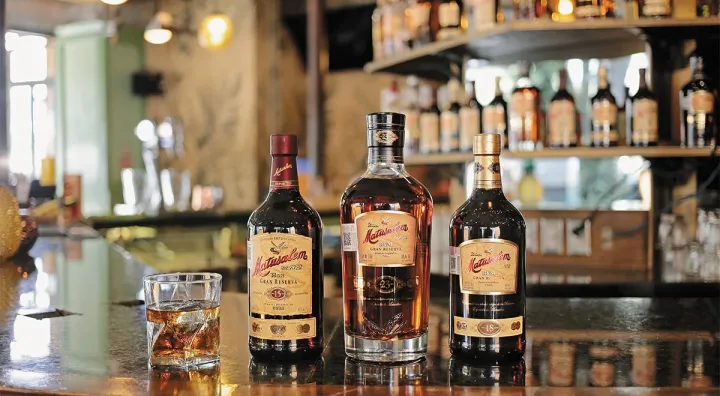
Matusalem is a rum born to make history; it does not set trends, it endures in people’s preference, whatever the era
When Spaniards Benjamín and Eduardo Camp, together with their partner Evaristo Álvarez, began their rum-making venture in 19th-century Cuba, they had a very clear vision: their rums were born to make history. So much so that they took their name from the famous biblical figure, Matusalem. Today, the brand remains in excellent form. To understand this spirit and its link with the Caribbean islands, we must begin with the Canary Islands and, more specifically, with Gran Canaria.
The cultivation of sugar cane was one of the main economic drivers in the 15th and 16th centuries, just as Spanish settlers were discovering America. On his second voyage to the New World, Christopher Columbus took Canarian sugar cane to the newly discovered islands. 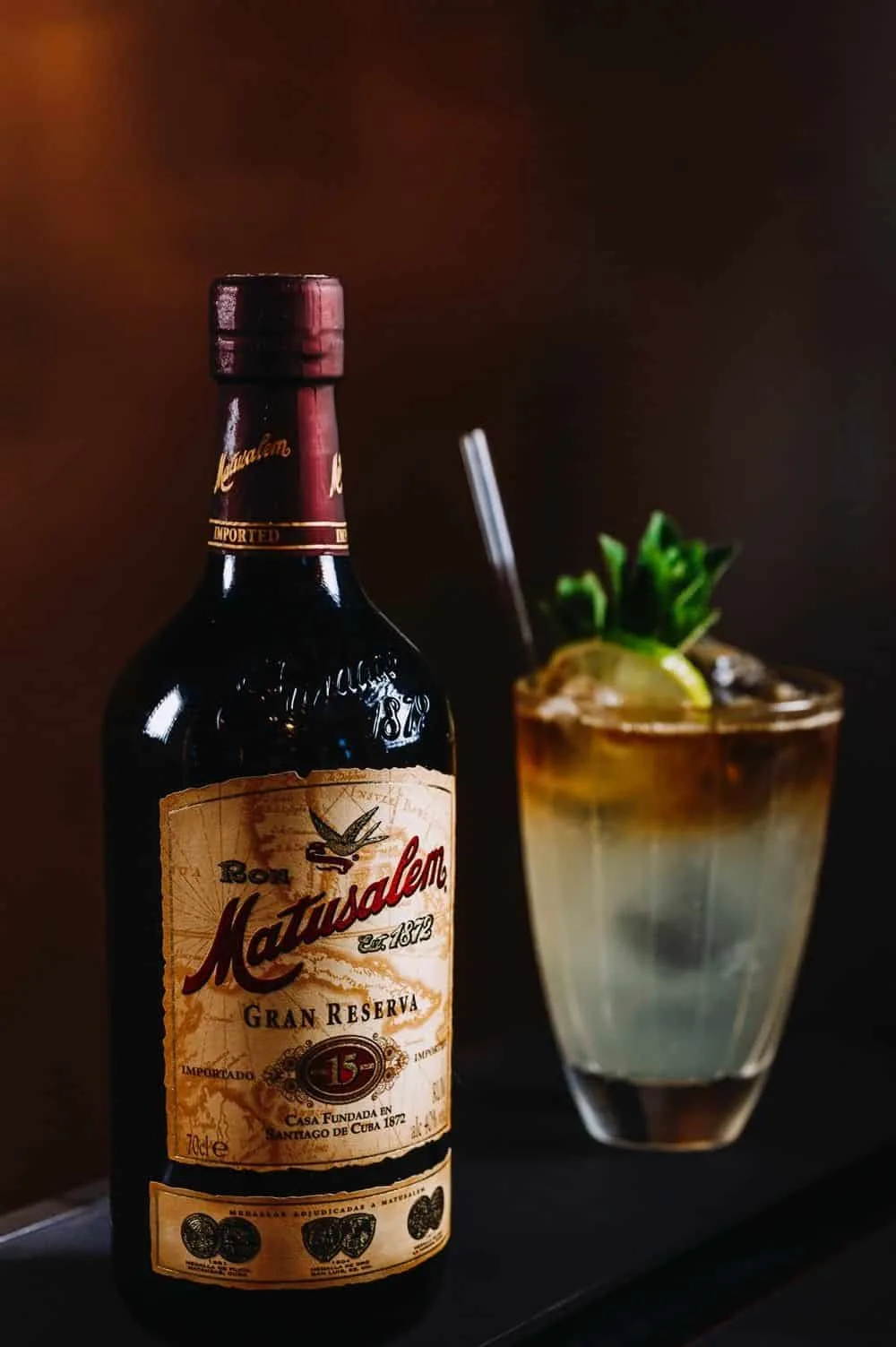 In 1872, the founders of Matusalem created a brand with the aim of achieving a flavour so memorable it could rise above trends and become timeless. The Caribbean climate was ideal for growing cane, making it possible to meet Europe’s growing demand.
Over time, it was discovered that the thick liquid left after sugar extraction, molasses, could become a distilled alcoholic drink with a powerful, somewhat rough flavour, produced in stills. This drink became popular among fighters and pirates. By the early 20th century, Cuba was much more than a place of glamour, parties and tourism. Santiago de Cuba was the place in Latin America that attracted and inspired European entrepreneurs. Visionaries made it their home and founded companies built to last. Santiago de Cuba offered the perfect rum ecosystem to raise the bar and turn it into the refined spirit we know today.
Matusalem is not trendy, but timeless
In 1872, the founders of Matusalem created a brand with the aim of finding a flavour so unforgettable it could escape trends and become timeless. Shortly after the production facilities were established, flocks of swallows inspired the founders to design an icon that would represent them—and what better symbol than swallows, free-spirited by nature. To give the product legitimacy, they depicted the swallow with a scroll in its beak bearing the words “registered trademark”. 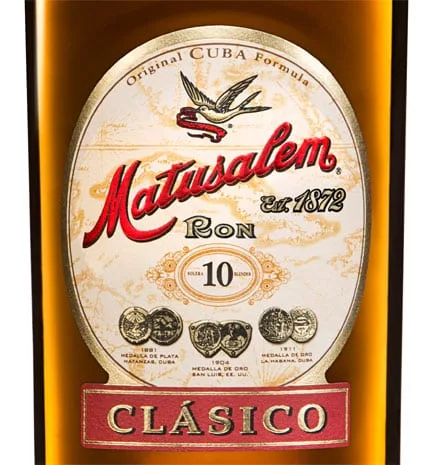 Between the 1930s and 1950s, Prohibition in the United States turned Cuba into the perfect destination for Americans; some, such as Ernest Hemingway, even ended up living on the island. During the Golden Age, Matusalem was the most popular golden rum and the perfect companion for enjoying the spirit of the island.
Matusalem rum is made using the Solera system, an age-old technique widely used in the production of Sherry wines and Spanish brandy: “Matusalem’s contribution to the system was invaluable, making its flavour truly unmatched.
The level of toast in the casks and the blending of the rum are all overseen by the “Santiago Master Blender”, a role assigned to a single family member across the generations since 1872". 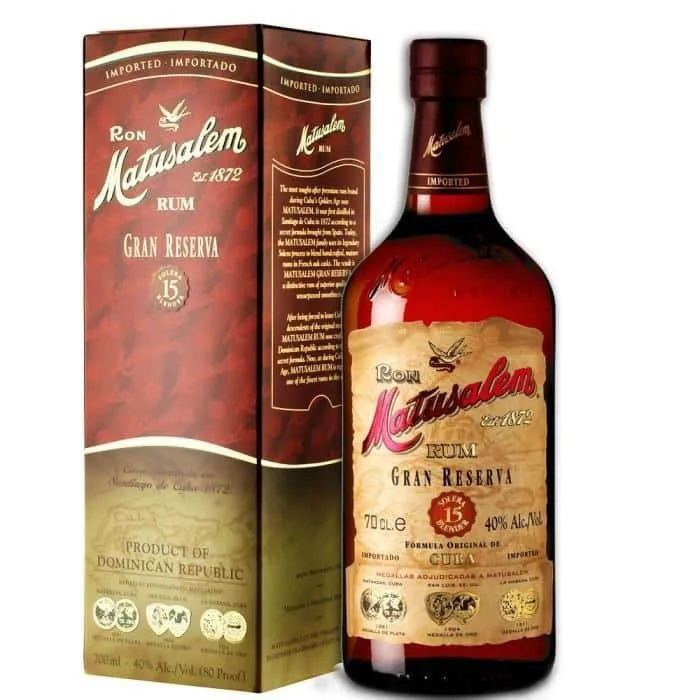 The casks are selected by the family and the “Santiago Master Blender” and lightly charred to achieve Matusalem’s distinctive tasting notes, as well as its consistency on the palate. This process, known as dynamic ageing—a blend of casks placed at different heights above the floor—gives the rums a highly distinctive maturation, with aromatic and floral notes. There is also the angel’s share: the 4.5% of rum lost to evaporation each year.