
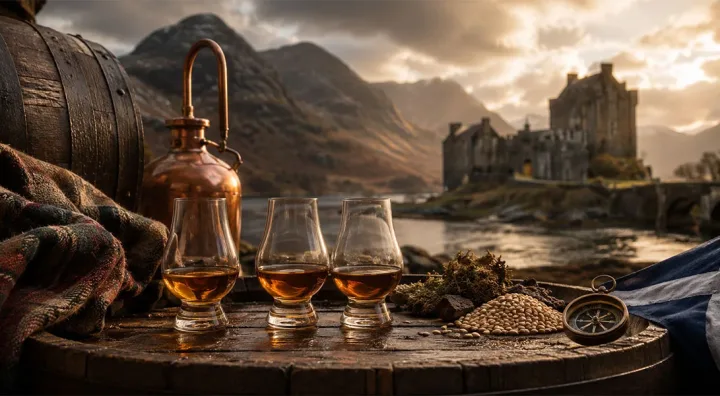
The label on your favourite whisky will often include one of these terms: Single Malt, Blended or Single Grain. And while all three styles can produce whiskies of outstanding quality, there are important differences between them.
At first glance, Scotland may not seem especially large, but compare it with the US state of Maine and it is striking to see how many whisky distilleries it contains within a similar area. What is more, each Scottish region expresses its own distinctive character, shaped by centuries of tradition, varied climates and different production methods, resulting in whiskies that range from light and floral to powerful, smoky and full of nuance.
What makes a whisky legally “Scotch”?
For a whisky to be officially considered “Scotch”, it must:
- Be made in Scotland.
- Use only water, yeast and cereals in its production.
- Be bottled at a minimum of 40% alcohol by volume.
- Be aged for at least three years in oak casks.
One of the most interesting aspects is the freedom allowed when it comes to different types of oak. Casks previously used for bourbon, rum, wine, sherry or port, for example, are all permitted, opening up an incredibly broad spectrum of nuances in the final whisky. Even so, despite this versatility, Scotch is generally classified into three main categories: single malt, blended and single grain. This is where the distinctions — and the terminology — can become somewhat confusing if you are not familiar with the subject.
To clear up any doubts, we will now take a closer look at these three subcategories and how to recognise their defining characteristics.
Single Malt Scotch
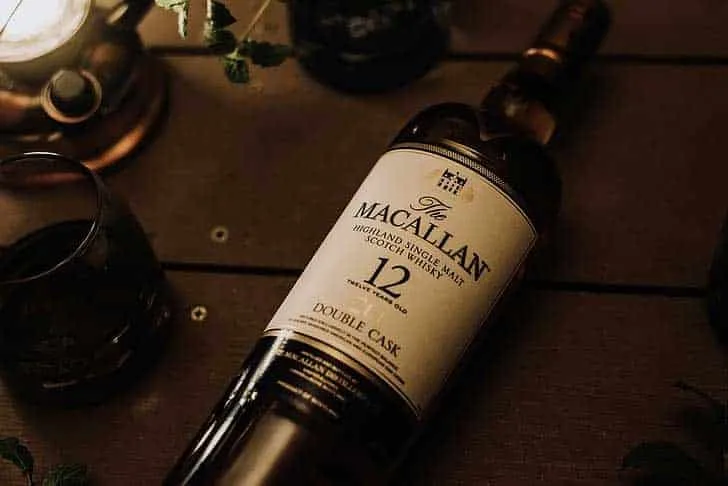 For a whisky to be considered “single malt Scotch”, it must be produced at a single distillery and made exclusively from malted barley, water and yeast. It is most commonly distilled in copper pot stills, which help create a more complex profile with richer aromas.
Although the term “single malt” is used, this does not mean the whisky comes from just one cask. Quite the opposite: distilleries may combine different batches from the same site, even with different maturation ages, until they achieve the flavour profile they are aiming for.
Another key factor is whether peated malted barley is used. Peat, abundant in certain parts of Scotland, brings the distinctive smoky, earthy character many people associate with the most intense Scotch whiskies. However, each region and each distillery decides how much, if any, to use, which explains the remarkable diversity of styles.
Scotland is divided into five major whisky-producing regions: Highlands, Lowlands, Islay, Speyside and Campbeltown. Although production regulations are the same across all of them, each area has developed its own typical flavour profiles.
- Islay is famous for its heavily smoky whiskies, thanks to its high-quality local peat.
- Speyside, located in the north-east, tends to produce smoother, fruitier whiskies, with notes of honey and, in some cases, subtle saline hints.
By law, a single malt must be aged for at least three years, but in practice many spend a decade or more in oak casks. This extended maturation, together with distillation in copper pot stills, gives rise to whiskies with a dense texture, deep flavours and an aromatic range that can run from vanilla and ripe fruit to chocolate and roasted coffee. It is little wonder, then, that the most highly regarded single malts are among the most sought-after Scotch whiskies in the world.
Blended Scotch
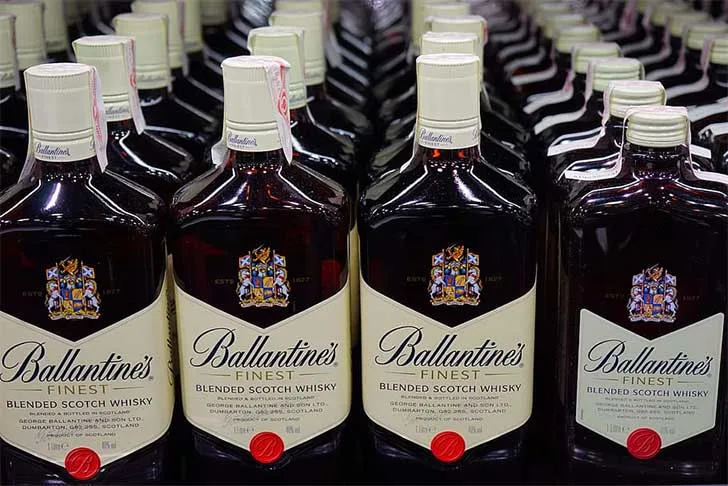 As its name suggests, “blended Scotch” is created by combining two or more malt or grain whiskies from one or more distilleries. This style became hugely popular in the United Kingdom and, over time, turned into the preferred choice for many drinkers looking for a smoother, more consistent experience from one bottle to the next.
In 2009, the Scotch regulations were updated, establishing that to be called “blended Scotch” a whisky must include at least one single malt and one single grain. From there, two further subtypes are defined:
- Blended malt Scotch: a blend of two or more single malts from different distilleries, with no need to include grain whisky.
- Blended grain Scotch: a blend of at least two single grains from different distilleries (less common).
The history of blended Scotch goes back to the second half of the 19th century, when it was discovered that bringing malt and grain whiskies together could soften and balance the flavour. Pioneering brands such as Dewar’s, Johnnie Walker and Chivas Regal rose to prominence in the early 20th century. Although single malt enjoys considerable prestige today, blends continue to dominate the market, partly thanks to their more accessible price point and the versatility they bring to cocktails. That does not mean blended whiskies lack complexity: many offer surprising nuances and appeal to even the most inquisitive palates.
Single Grain Scotch
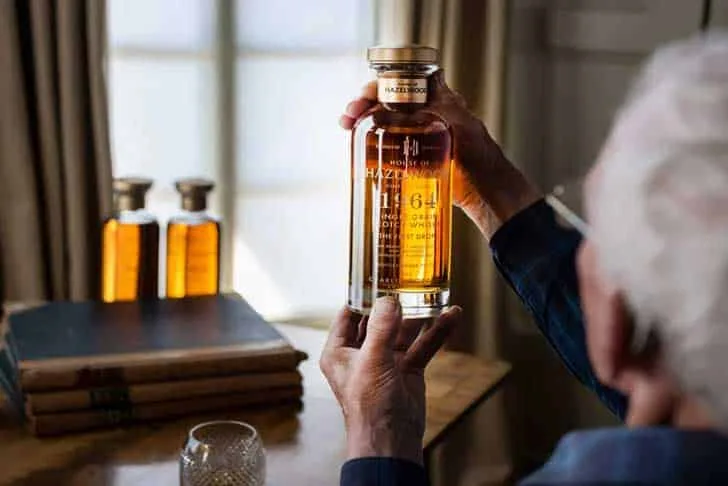 Like single malts, single grain whiskies must be made at a single distillery, but their key difference lies in the recipe and the distillation method. While single malt is made from malted barley, single grain may use other cereals —malted or unmalted— such as wheat, corn, rye or even a combination of several grains. As a result, they usually show a lighter profile and a more noticeable sweetness than single malts.
Most single grain whisky is produced on a large scale with the aim of being used in blends. This is because it is typically distilled in continuous columns (known as Coffey stills), which can produce high volumes of alcohol more efficiently than traditional copper pot stills. Even so, some distilleries release specific single grain editions for those who want to explore flavours beyond the usual single malt or blended styles: their smooth body, sweet notes and lightness can be very appealing to anyone looking for less powerful whiskies.
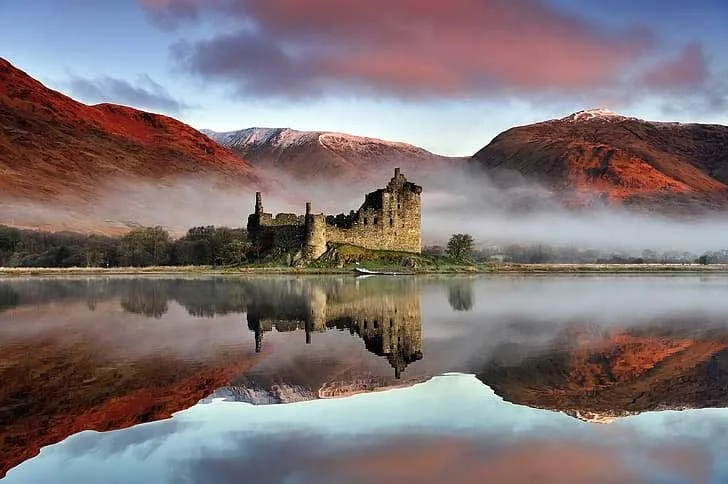 Overall, the richness of the Scotch whisky industry lies in this diversity of styles, processes and regional influences.
Understanding the differences between single malt, blended and single grain will help you explore the whisky section with greater confidence and appreciate the unique nuances of each bottle. Whether you prefer the bold, smoky aromas of Islay, the fruity smoothness of blends or the delicate sweetness of a single grain, Scotland offers an astonishing range of options for every kind of palate.
So, the next time you step into the world of Scotch, remember that every bottle tells a story shaped by centuries of tradition, innovation and a passion for excellence. Above all, do not be afraid to venture into new sensory experiences: the fascinating universe of Scotch whisky is full of surprises waiting to be discovered.