
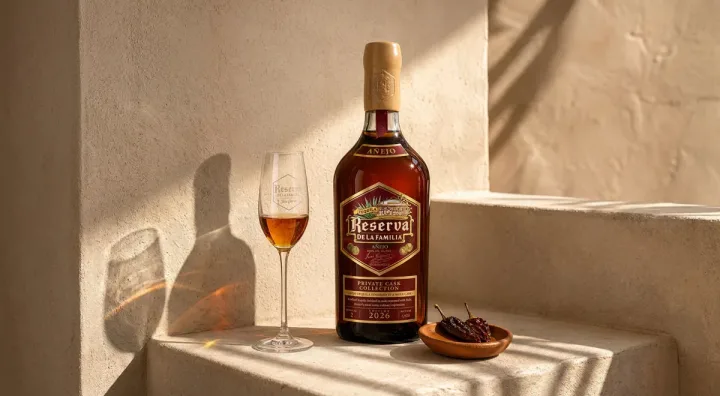
Tequila is enjoying a moment of remarkable sophistication. Far from being confined to the classic categories or the best-known profiles, some Mexican houses are exploring finishes, ageing regimes and cultural interpretations that bring the agave spirit closer to the language of great cellar-worthy spirits. This is the context for the latest release from Reserva de la Familia, a brand linked to Jose Cuervo, which has unveiled an expression with an unusual element: a finish in casks previously seasoned with mole.
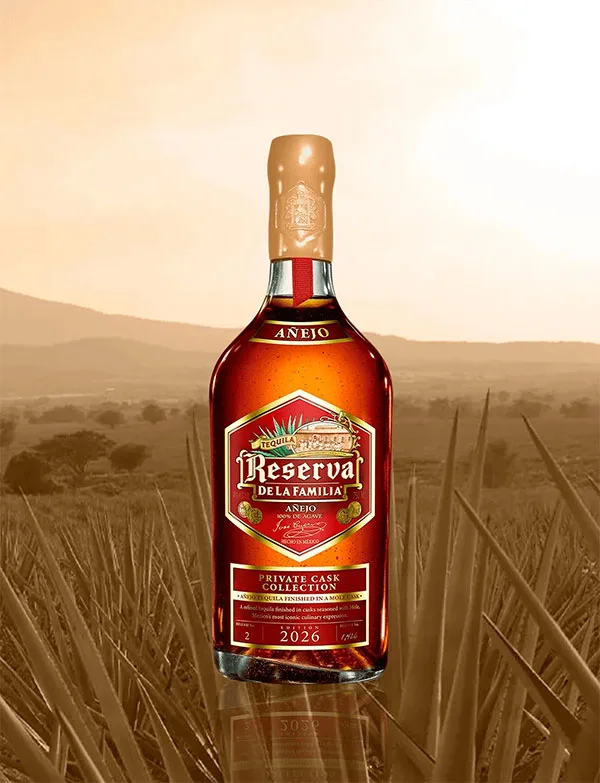
The release, named Private Cask Collection Edition No. 2: Mole Cask, aims to bring together in one bottle two symbols of Mexican identity: the agave landscape of Jalisco and traditional cuisine, with mole as one of its most representative preparations. This is not merely a technical exercise in the cellar, but a contemporary reading of how tequila can enter into dialogue with gastronomy and Mexico’s culinary memory.
A tequila that looks beyond the conventional cask
In the world of tequila, the use of wood is nothing new. The reposado, añejo and extra añejo categories are defined, to a large extent, by their relationship with the cask and by maturation time. Traditionally, producers use vessels that have held bourbon or other spirits, capable of adding notes of vanilla, spice, coconut, nuts or toasted wood. However, special finishes are gaining ground among producers looking to offer more complex and distinctive profiles.
A finish in casks seasoned with mole introduces a highly distinctive nuance. Mole is not a single sauce, but a family of preparations deeply rooted in Mexican cooking, with recipes that may include chillies, spices, seeds, nuts, cacao or other ingredients depending on the region and family tradition. Bringing that inspiration into tequila does not mean turning it into a flavoured liqueur; rather, it uses wood as a bridge to suggest spiced, toasted and gastronomic layers.
Jalisco, agave and the weight of origin
Reserva de la Familia is made at La Rojeña, a historic distillery located in Tequila, Jalisco, in one of the most important areas for the production of the spirit. The agave landscape and the old industrial facilities of Tequila are part of the UNESCO-recognised World Heritage Site, a distinction that underlines the cultural, agricultural and historical importance of this region.
Blue agave, the essential raw material for tequila, requires years of cultivation before it can be harvested. Once mature, the piñas are cooked to transform their starches into fermentable sugars. In the case of La Rojeña, the brand highlights the use of masonry ovens, an element associated with traditional cooking methods that help develop sweet, vegetal and lightly caramelised notes in the agave must.
This sense of origin is key to understanding the release. Although the cask adds personality, tequila cannot be separated from its territory: its identity begins in the field, in the climate of Jalisco, in the selection of the agave and in the decisions made during cooking, fermentation and distillation.
Mole as gastronomic heritage
The other half of the story comes from Mexican cuisine. Mole holds a central place in celebrations, family tables and regional traditions. Oaxaca is one of the areas most closely associated with this preparation, although many variations exist across different states of the country. Its complexity lies both in the combination of ingredients and in the techniques of toasting, grinding and slow cooking that allow sweet, spicy, smoky, earthy and spiced flavours to come together.
Traditional Mexican cuisine is also recognised by UNESCO as Intangible Cultural Heritage, not only for its recipes, but for the agricultural practices, rituals, knowledge and customs that sustain it. In this sense, using mole as inspiration for a special-edition tequila connects the spirit with a broader gastronomic dimension.
What this type of finish can bring
Without a direct tasting, it is wise to speak cautiously about its organoleptic profile. Even so, given the nature of mole and the usual interaction between spirit and wood, it is reasonable to expect a more culinary than fruit-driven approach, with possible echoes of warm spices, cacao, nuts, dried chillies, toasted notes and an enveloping mouthfeel. The key will be balance: the cask influence should accompany the agave without concealing it.
This type of tequila may be especially appealing to enthusiasts who already know añejos and extra añejos and are looking for expressions with an experimental edge. It could also open up new pairing possibilities, particularly with Mexican dishes, meats served with spiced sauces, dark chocolate, toasted nuts or even mature cheeses.
A trend: spirits with a gastronomic story
The launch reflects a broader trend in the premium sector: the creation of spirits defined not only by their age or production method, but also by their connection with a culinary culture. Whisky, rum, brandy and tequila are increasingly embracing finishes in unconventional casks, collaborations with chefs, inspiration from local ingredients and narratives rooted in place.
When handled with rigour, this approach can bring genuine value. It is not enough to add a striking concept; the result must be coherent with the category, respect the raw material and offer a recognisable sensory experience. In tequila, the challenge is to keep agave in the foreground while the cask adds depth.
Reserva de la Familia Mole Cask represents a different approach to high-end tequila: less focused on commercial exuberance and more on the dialogue between origin, cuisine and wood. A bottle that confirms tequila continues to expand its language without losing sight of its Mexican roots.
Recommended retail price: 120 dollars.